Introduction: The Significance of the Duomo The term “Duomo” refers to the principal church in an Italian city, most commonly used to denote the cathedral of Florence, Santa Maria del Fiore. This architectural marvel is not just a religious site; it symbolizes the artistic and cultural renaissance of Italy. With its breathtaking dome designed by
Introduction: The Significance of the Duomo
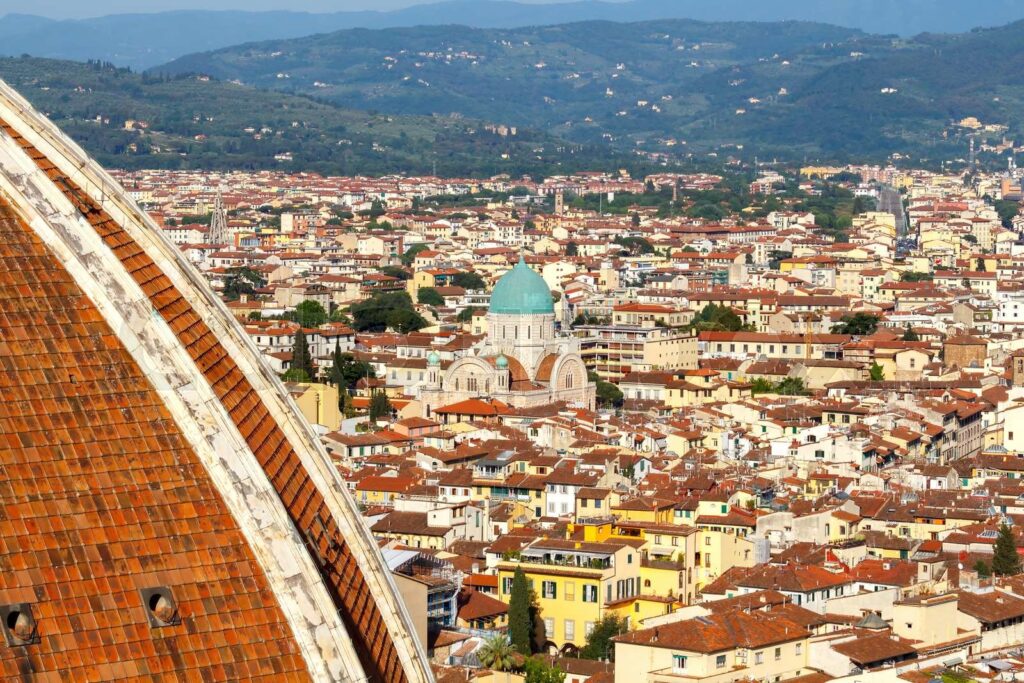
The term “Duomo” refers to the principal church in an Italian city, most commonly used to denote the cathedral of Florence, Santa Maria del Fiore. This architectural marvel is not just a religious site; it symbolizes the artistic and cultural renaissance of Italy. With its breathtaking dome designed by Filippo Brunelleschi, the Duomo is an emblem of ingenuity, drawing millions of visitors each year.
The Architectural Brilliance of the Duomo
Construction of the Duomo began in 1296 and continued for more than a century before its completion in 1436. The cathedral’s striking Gothic exterior features intricate marble façades in pink, white, and green hues. The crown jewel, however, is the dome, which remains the largest brick dome ever constructed. Brunelleschi’s innovative techniques allowed it to soar over the city, and its design has influenced countless buildings worldwide.
Current Events and Cultural Relevance
As of 2023, the Duomo remains a central fixture in Florence’s cultural landscape. Recent initiatives to preserve the Duomo’s structure have included a €1.5 million restoration project, focusing on the dome and its external decorations. This restoration is vital, as increased tourist footfall can lead to accelerated wear and tear. Furthermore, the Duomo hosts various cultural events, including art exhibitions and concerts that engage the local community and attract international attention.
Visitor Experience
Access to the Duomo is manageable through a combination of tickets for entry to the cathedral, the dome, and the Baptistery. Visitors can climb the 463 steps to reach the top of the dome, where they are rewarded with panoramic views of Florence. As part of the city’s UNESCO World Heritage site, it continues to represent a bridge between the past and present, providing insights into medieval and Renaissance artistry.
Conclusion: Engaging with the Duomo
The Duomo is not merely a landmark; it embodies the spirit of Florence and the evolution of art and architecture. As students, architects, and tourists explore its grandeur, they engage with a history that shaped Italy and continues to inspire. With ongoing restoration efforts, the Duomo will remain a testament to human creativity and a significant cultural artifact for generations to come.