Introduction The paint job of Air Force One, the iconic aircraft used by the President of the United States, has long been a symbol of American prestige and aviation innovation. Recently, discussions have resurfaced surrounding former President Donald Trump’s proposed changes to the aircraft’s color scheme, which have raised eyebrows among political leaders and aviation
Introduction
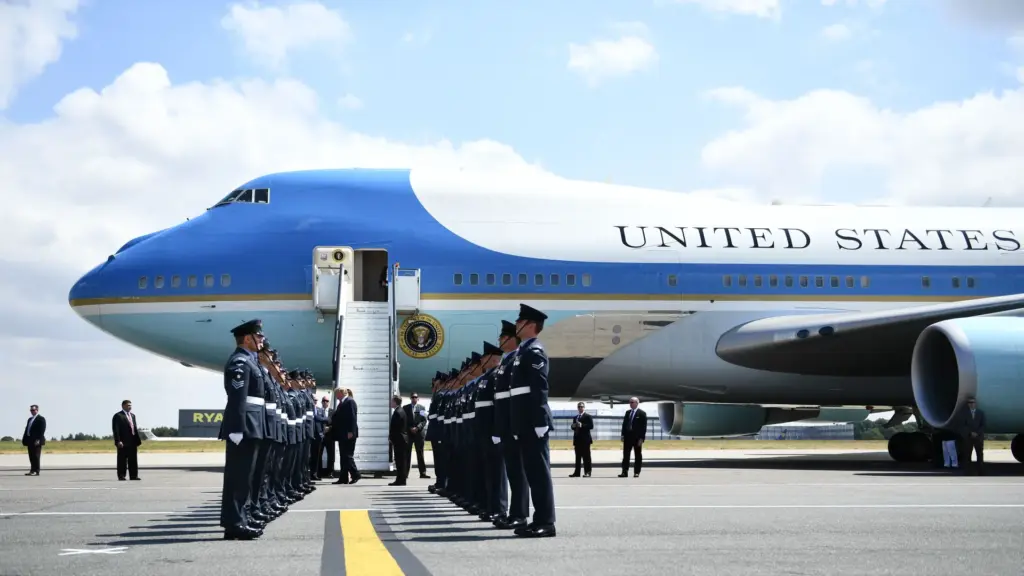
The paint job of Air Force One, the iconic aircraft used by the President of the United States, has long been a symbol of American prestige and aviation innovation. Recently, discussions have resurfaced surrounding former President Donald Trump’s proposed changes to the aircraft’s color scheme, which have raised eyebrows among political leaders and aviation enthusiasts alike. This topic is significant not only for its aesthetic implications but also for what it symbolizes in terms of national identity and presidential representation.
The Events Surrounding the Paint Job
Under President Trump’s administration, a new design was suggested for the exterior of Air Force One, moving away from the traditional light blue and white color scheme established by President John F. Kennedy. Trump expressed a desire for a more ‘American’ look, which included bold, vivid colors such as red, white, and blue. The proposal stirred immediate reactions, with critics arguing that altering the paint job could undermine the aircraft’s historical significance and global recognition.
In a 2019 appearance, Trump remarked, “I want to do it in red, white, and blue.” He emphasized the need for a design that reflects the spirit of America, saying that Americans deserve a proud representation of their country when the President travels abroad. This sentiment resonated with some supporters, while others viewed it as a distraction from more pressing national issues.
Public and Political Response
The proposed modifications have evoked a mixed bag of responses. Aviation historians and design scholars caution that a drastic change could render the aircraft unrecognizable and lose its character as a flying symbol of American diplomacy. Critics also argue that altering such a storied design might send a message of the administration’s priorities, focusing more on image rather than functionality.
Political figures across the board have weighed in on the discussion. Democrats generally opposed the changes, seeing them as unnecessary and a deviation from tradition, while certain Republicans embraced the initiative as a bold representation of national pride. This debate has seemingly opened a larger conversation about how national symbols should evolve while maintaining their core essence.
Conclusion
As discussions surrounding the paint job of Air Force One continue, it raises important questions about the intersection of politics, identity, and representation on a global stage. While Trump’s vision could symbolize a shift towards a contemporary interpretation of patriotism, the outcry from various communities highlights the intricate relationship between national symbols and societal values.
Looking forward, it remains to be seen how these discussions will influence future decisions regarding Air Force One and what ultimate changes, if any, will be realized for this emblematic aircraft. As future administrations take charge, the legacy of such decisions will likely linger as a reflection of America’s ongoing dialogue about self-identity and representation in the world.