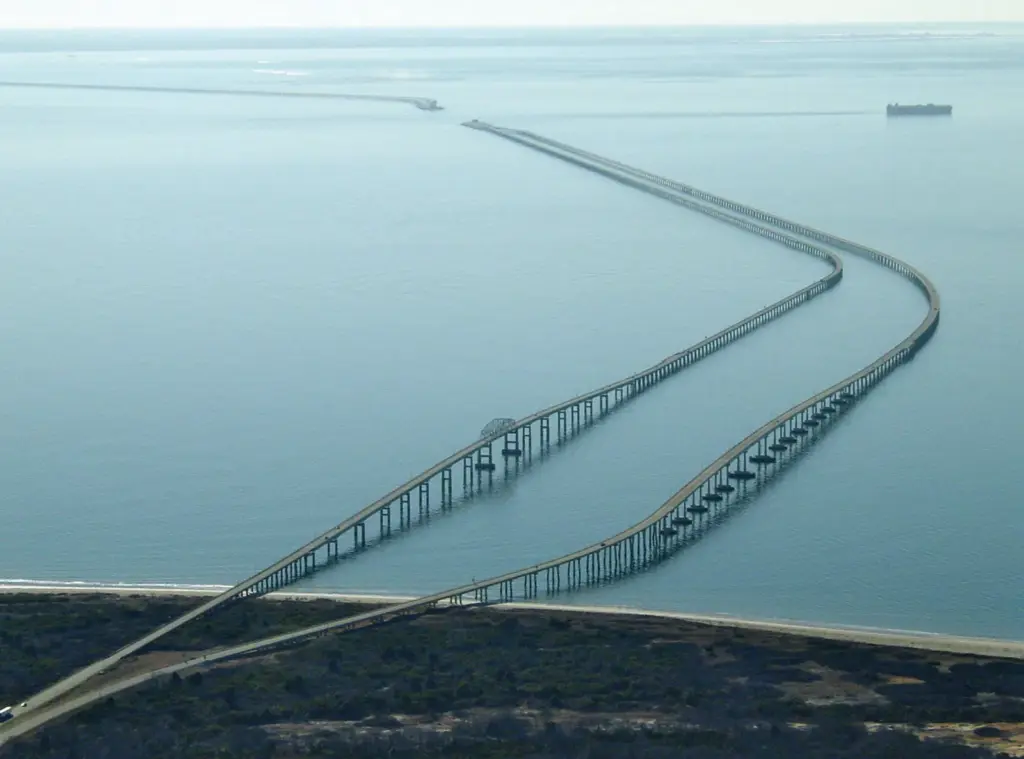
Introduction The Chesapeake Bay Bridge, a monumental engineering feat, connects Maryland’s Eastern and Western Shores, facilitating transportation and tourism. Spanning approximately 4.3 miles, it is not only a vital artery for local and commercial traffic but also a beloved landmark for visitors and residents alike. As one of the longest spans in the United States,
Introduction
The Chesapeake Bay Bridge, a monumental engineering feat, connects Maryland’s Eastern and Western Shores, facilitating transportation and tourism. Spanning approximately 4.3 miles, it is not only a vital artery for local and commercial traffic but also a beloved landmark for visitors and residents alike. As one of the longest spans in the United States, the bridge plays a crucial role in the economies of the surrounding areas, promoting easy access to various recreational activities along the Chesapeake Bay.
Historical Significance
Opened in 1952, the Chesapeake Bay Bridge has a rich history that marks the growth of the region. Designed by the architectural firm of McLean and McLean, it was initially constructed to reduce the time needed to travel across the bay and to stimulate tourism. The bridge’s unique design features an impressive suspension span, which remains an iconic example of mid-20th-century American engineering.
Economic Impact
Today, the bridge is essential for local economies, impacting transportation and commerce. According to Maryland Transportation Authority statistics, around 28 million vehicles cross the bridge each year, highlighting its importance in daily commutes as well as in transporting goods. The toll revenue collected supports maintenance and upgrades to the structure, ensuring its safety for future generations.
Tourism and Attractions
The Chesapeake Bay Bridge is not only a crucial transit route but also a prominent tourist destination. Tourists flock to the area for its stunning views of the Chesapeake Bay and access to attractions like Sandy Point State Park and historic towns such as Annapolis. Events like the annual Chesapeake Bay Bridge Run draw thousands of participants and spectators, celebrating the bridge and the natural beauty of the bay.
Environmental Considerations
The Maryland Transportation Authority also emphasizes the environmental aspects associated with the bridge’s upkeep. Initiatives are in place to ensure that the infrastructure minimizes its impact on the surrounding ecosystem, with ongoing research aimed at preserving the habitats of local wildlife.
Conclusion
In conclusion, the Chesapeake Bay Bridge stands as a testament to engineering prowess and economic vitality, supporting Maryland’s transportation needs while attracting visitors to its shores. As new challenges arise due to climate change and increased traffic, ongoing investments and studies promise to keep this iconic bridge safe, functional, and environmentally sustainable. For residents and tourists alike, the Chesapeake Bay Bridge remains a crucial link between communities and a symbol of Maryland’s rich heritage.