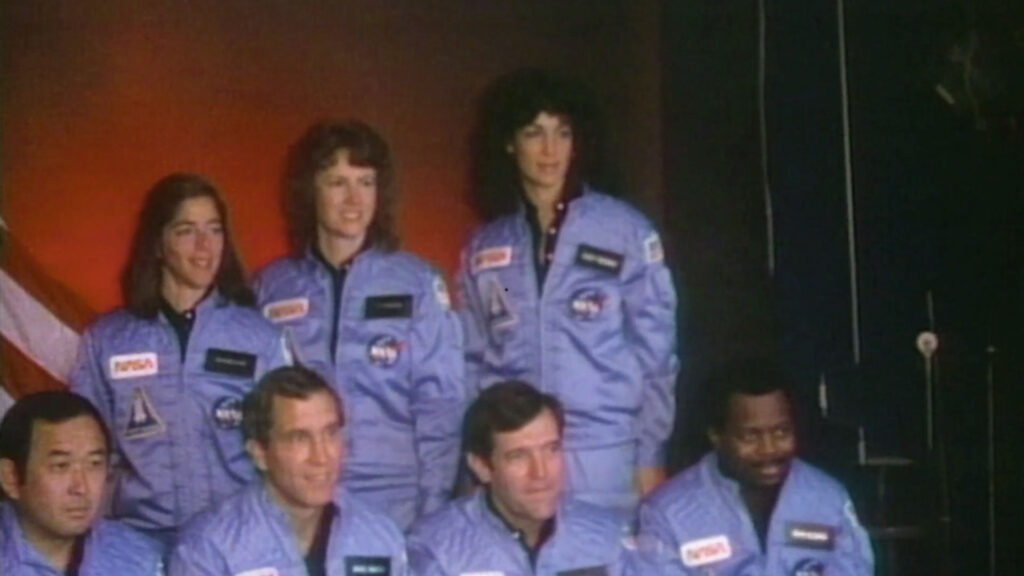
Introduction The Challenger explosion, which occurred on January 28, 1986, remains one of the most significant tragedies in the history of space exploration. This catastrophic event not only resulted in the loss of seven astronauts but also raised essential questions about safety protocols, engineering practices, and management decisions in NASA. As we reflect on the
Introduction
The Challenger explosion, which occurred on January 28, 1986, remains one of the most significant tragedies in the history of space exploration. This catastrophic event not only resulted in the loss of seven astronauts but also raised essential questions about safety protocols, engineering practices, and management decisions in NASA. As we reflect on the incident and its consequences, it is crucial to understand its relevance in improving future space missions and ensuring the safety of astronauts.
Details of the Challenger Explosion
On that fateful day, the Space Shuttle Challenger was launched from the Kennedy Space Center in Florida. Just 73 seconds after liftoff, the shuttle tragically broke apart due to the failure of an O-ring seal in its right solid rocket booster, which was exacerbated by the unusually cold weather on the day of the launch. The disaster claimed the lives of seven crew members: Christa McAuliffe, a teacher and first private citizen in space; Francis R. Scobee; Michael J. Smith; Ronald McNair; Ellison Onizuka; Judith Resnik; and Gregory Jarvis. The entire nation mourned the loss as the crew had become symbols of exploration and inspiration for many Americans, particularly children.
Investigations and Findings
Following the incident, a thorough investigation was conducted by the Rogers Commission, which revealed that there had been warnings about the O-ring’s failure to perform under cold conditions. The commission’s findings highlighted a flawed decision-making process within NASA, where management pressures conflicted with safety concerns raised by engineers. The investigation brought to light the need for addressing systemic issues affecting the organization’s structure and decision-making processes.
Significance and Changes to Space Exploration
The Challenger disaster led to significant reforms in NASA’s safety protocols, engineering practices, and quality assurance processes. The agency implemented a more robust emphasis on safety, transparency in decision-making, and improved communication among engineers and management. The tragedy also initiated discussions about the risks associated with human spaceflight and led to the formation of the Aerospace Safety Advisory Panel to enhance independent oversight of NASA’s safety practices.
Conclusion
The Challenger explosion serves as a somber reminder of the risks involved in space exploration and the importance of prioritizing safety. As NASA continues to push the boundaries of human spaceflight, the lessons learned from the Challenger tragedy remain critical in shaping the future of space travel. This incident reinvigorates conversations about accountability and the need for rigorous safety standards to protect the brave individuals who endeavor to explore beyond Earth. As we look to the stars, we must never forget the sacrifices made in the pursuit of knowledge and exploration.