Glasgow 2026 Commonwealth Games begin with a focus on sustainability and community spirit. Despite initial challenges, the reimagined event promises a unique ex
Glasgow hosts reimagined Games
The 2026 Commonwealth Games have commenced in Glasgow, presenting a reimagined and smaller-scale event following Victoria’s withdrawal in 2023. Despite initial challenges, including some empty seats and logistical issues, the Games have retained a sense of community and enthusiasm. The opening ceremony, held entirely within the 14,300-capacity OVO Hydro, marked a departure from traditional open-air stadium shows.
Organisers focused on a compact, lower-cost structure, featuring 10 sports and six integrated Para sports across four existing venues: Scotstoun Stadium, the Scottish Event Campus, Glasgow International Arena, and Tollcross International Swimming Centre. This approach has been highlighted as a new chapter for the Commonwealth Sport Movement, aiming to celebrate world-class sport and foster connections.
Opening ceremony blends tradition and modern flair
The opening ceremony was a vibrant spectacle, blending traditional Gaelic heritage with contemporary music and performances. King Charles III declared the Games open after his message, placed in the King’s Baton over 500 days prior, completed its journey through 74 Commonwealth member nations. The monarch also emphasized the importance of addressing plastic pollution in oceans and waterways.
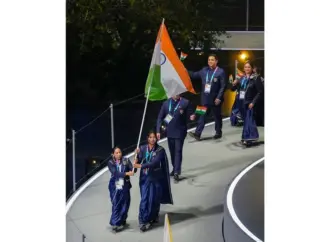
Athletes from the 74 nations paraded into the arena at the beginning of the show, a first for the Commonwealth Games. The Indian contingent, led by Olympic medallists Mirabai Chanu and Lovlina Borgohain, received a warm reception. Musical acts included electro-folk duo Valtos, Nathan Evans, Tom Walker, and KT Tunstall, alongside pipe bands playing “Flower of Scotland.” Actor Sam Heughan also featured in a segment that included a representation of the Loch Ness Monster.
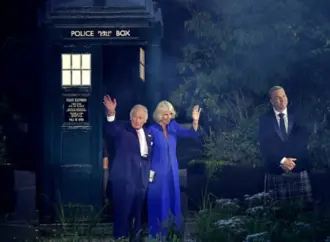
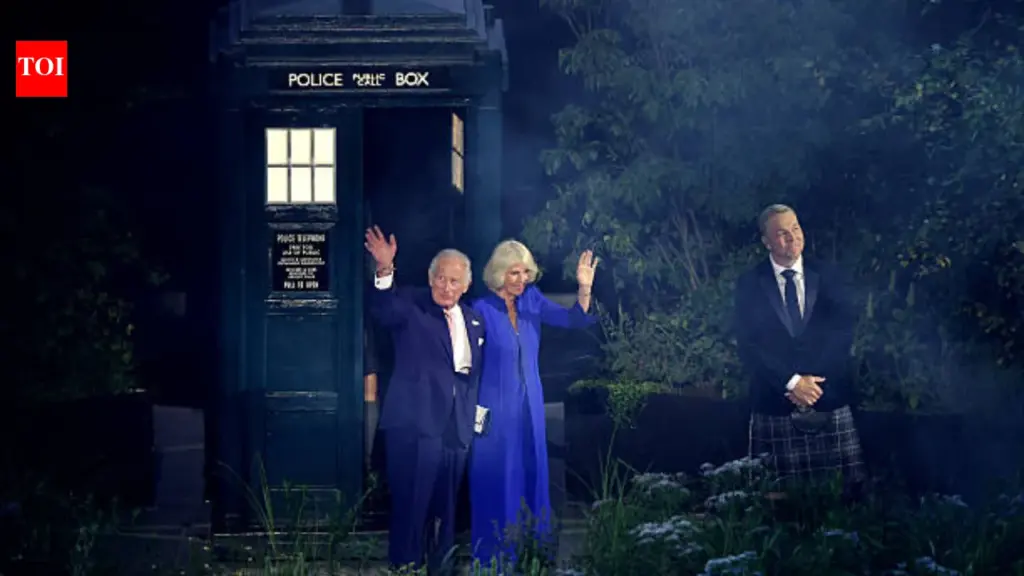
A notable moment during the ceremony involved King Charles III’s entrance from a life-sized TARDIS, an iconic blue time machine from a British television series. This theatrical element paid tribute to British television and Scotland’s cultural heritage, with Scottish cycling legend Sir Chris Hoy and actor Greg McHugh joining the royal couple on stage.
Early highlights and community engagement
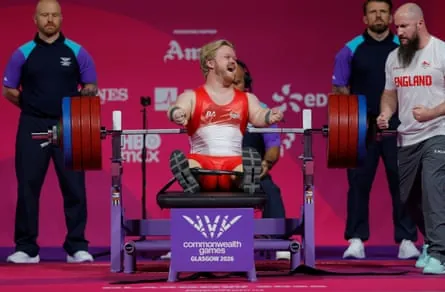
The Games have already seen memorable moments, such as a volunteer’s quick action to fix a broken rope during a swimming heat involving Adam Ramsay-Peaty at the Tollcross International Swimming Centre. In para powerlifting, England’s Mark Swan secured the first gold medal, bench-pressing 222kg, a weight more than three times his bodyweight. Swan began his powerlifting journey at an event for the Dwarf Sports Association Games, where he lifted 70kg.
Another athlete capturing attention is Botswanan lawn bowler Diza Mphotho, known for his bucket hat and distinctive style. Mphotho, an IT worker, uses his annual leave to participate in the Games, highlighting the personal significance of the event for many athletes. Despite a loss to Guernsey’s Jason Greenslade, Mphotho’s presence has added to the event’s atmosphere.
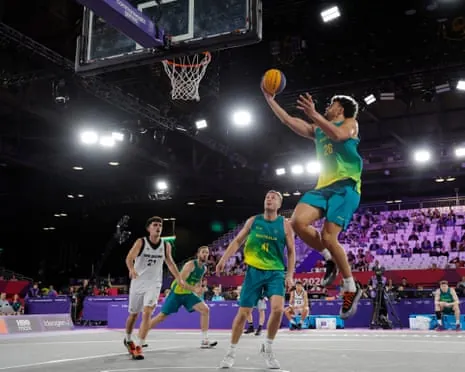
While the city centre may not display extensive branding compared to previous Games, the arenas have been filled with enthusiastic commentators and upbeat music. The atmosphere was evident during Australia’s men’s 3×3 basketball team’s victory over New Zealand, a moment that captivated young spectators.
Phil Batty, the chief executive of Glasgow 2026, noted that while some venues like the velodrome are sold out, tickets for events such as midweek netball are available for £10. He also mentioned that more tickets have been sold for netball than ever before in Scotland’s history.
Source: theguardian.com