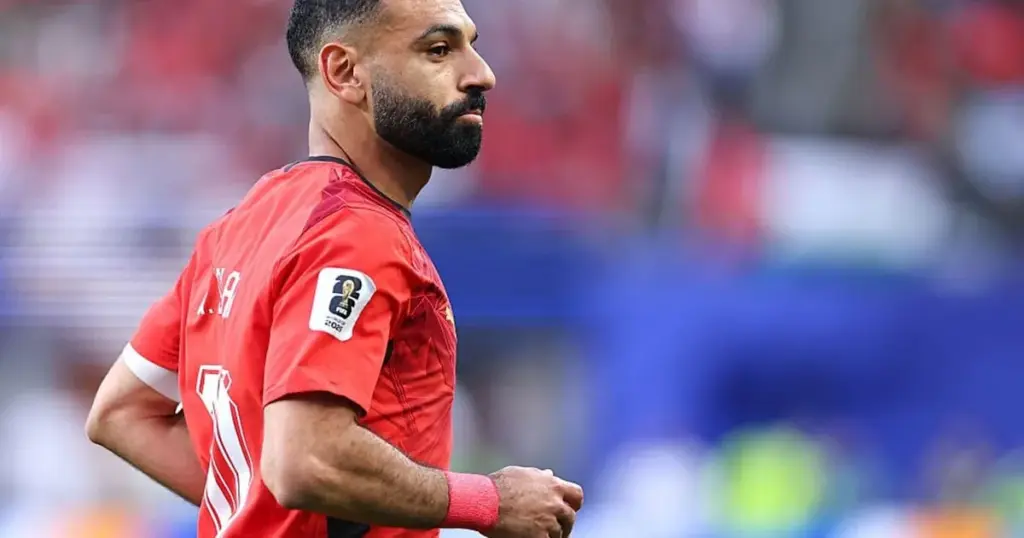
Egypt and Iran draw 1-1 in their World Cup 2026 group stage match in Seattle. Egypt secures top spot, while Iran’s knockout stage hopes hang in the balance.
Match Overview and Group G Implications
The World Cup 2026 group stage match between Egypt and Iran in Seattle concluded with a 1-1 draw. This final group-stage fixture held significant implications for both teams’ standings in Group G. Egypt, having already secured qualification for the knockout stage, aimed to clinch the top spot in the group with a victory. Meanwhile, Iran sought a win to advance to the knockout stage for the first time, as their final group position remained uncertain.
During the match, Belgium was also competing against New Zealand in Vancouver in Group G’s other fixture. The outcome of these matches would determine the final standings and potential opponents for the next stages of the tournament. The finish of these final group matches carried considerable ramifications for the USMNT’s potential round of 16 opponent.
As the game progressed, the score remained level at 1-1. Reports indicated that Belgium had scored again, which would place them level with Egypt on points and goal difference. However, Egypt held the tie-break advantage based on goals scored at that point. Another goal for Belgium would have shifted the goal difference in their favour.
Key Moments and Player Actions
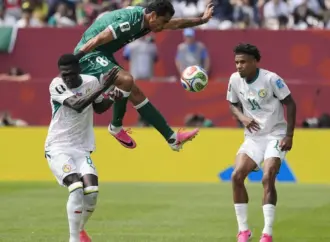
The second half saw both teams making efforts to secure a winning goal. Iran displayed intent early in the second half, with Ghoddos delivering a cross that Mohebbi could not connect with, and Ezatolahi’s follow-up shot going wide. Egypt, in response, made two attack-minded substitutions, including Marwan Attia and Omar Marmoush. Hardani also entered the game for Iran, allowing their goalscorer Rezaeian to play further up the field, as both sides sought a decisive goal.
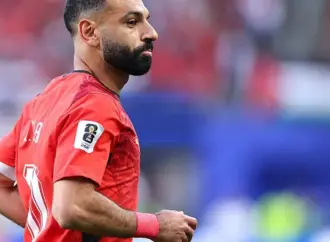
In the 49th minute, Mohamed Salah delivered a cross into the box, which Trezeguet managed to get a foot on, but the shot lacked pace and was saved by Beiranvand. Later, in the 52nd minute, Salah sprinted into space and provided a cross for Trezeguet, but it was blocked by an Iranian defender. Mohanad Lasheen then failed to make good contact on the ensuing header.
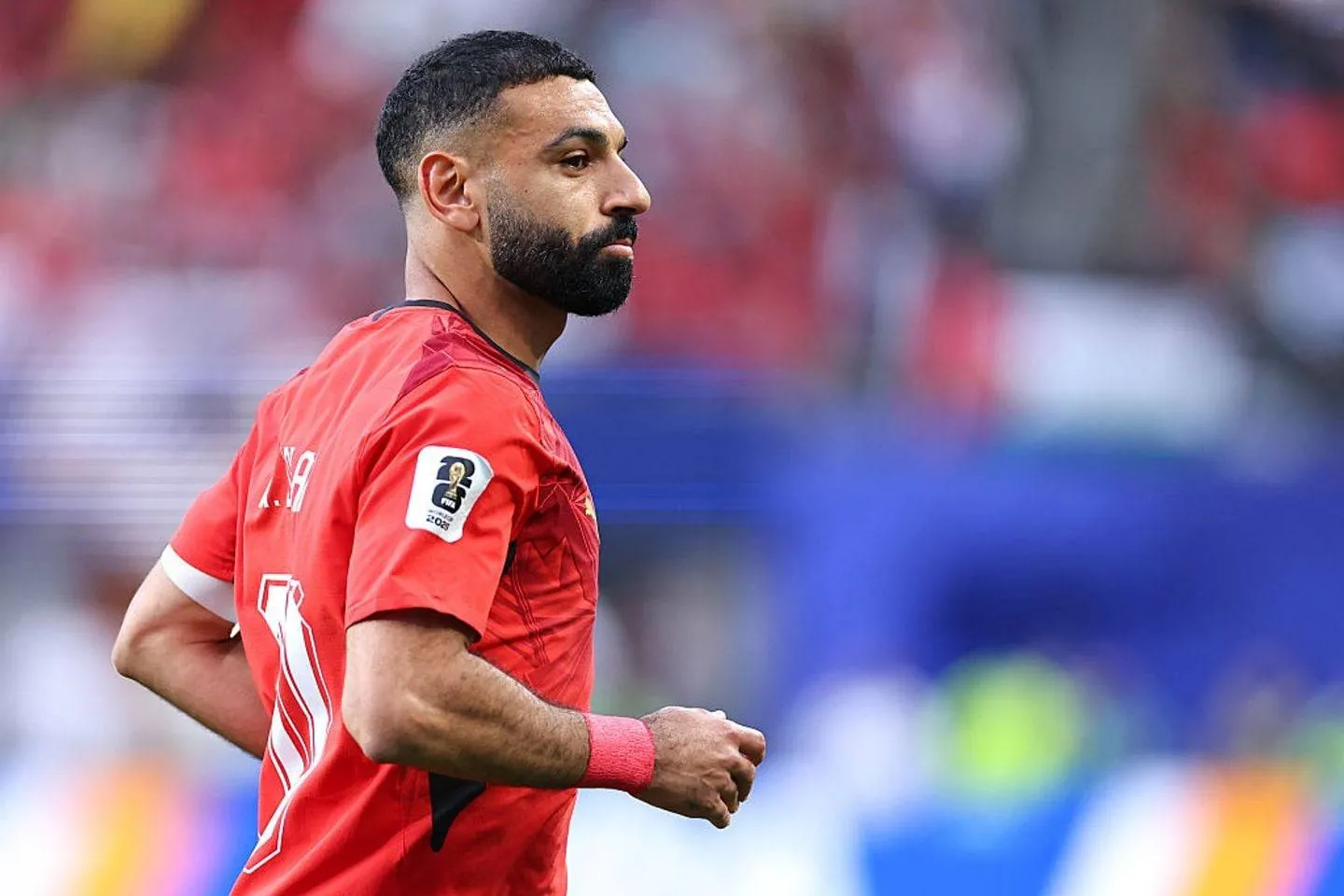
A significant moment occurred in the 57th minute when Mohamed Salah was substituted off for Zizo. Following his substitution, Salah was observed receiving ice for his left hamstring in the dugout, raising concerns for Egypt fans. Despite this, Egypt continued to press, with Omar Marmoush making a run but being surrounded by Iranian defenders. Egypt maintained control of possession for much of the second half, with Iran defending in a mid-block and attempting to press at midfield.
In the 64th minute, Marmoush executed a cutback that found Zizo, whose shot took a deflection over the bar. Zizo took the subsequent corner, which Beiranvand claimed. The match was described as physical, with both teams showing urgency. Marmoush continued to be active on the left, creating opportunities for Egypt, including winning a free-kick in a promising area. A cutback from Lasheen from the resulting set piece found no teammate.
By the 69th minute, a hydration break allowed both coaches, Amir Ghalenoei for Iran and Hossam Hassan for Egypt, to strategize and provide instructions. At this point, Egypt was projected to finish second in the group, which would lead to a match against Australia in Dallas in the round of 32. Iran was expected to finish third, a position that would likely still secure their progression to the knockout stages, albeit narrowly.
Off-Field Context: The Pride Match Designation
The match in Seattle was designated as a Pride Match, an event intended to celebrate diversity and the LGBTQ+ community. This designation occurred despite objections from the Iranian and Egyptian football federations, given that homosexuality is illegal in both countries. Officials from the Seattle host committee clarified that Pride Weekend had been planned prior to the draw that paired the two nations for the match.
Fans outside the stadium in Seattle commented on the positive atmosphere surrounding the event. The host committee emphasized that their approach to any discomfort was to encourage curiosity rather than withdrawal. The game proceeded with four yellow cards issued, two for each team, indicating the competitive nature of the encounter.
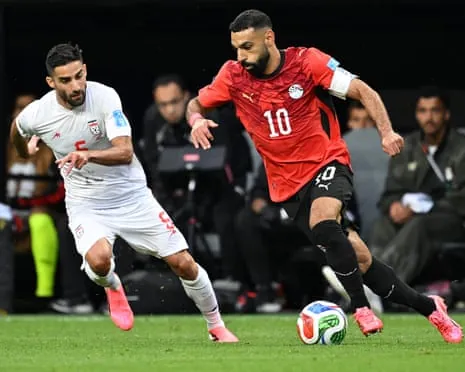
In the 79th minute, Mohebi won the ball in midfield, but Taremi’s pass was too strong, leading to a missed counter-attack opportunity for Iran. As Egypt advanced, Ezatolahi committed a professional foul on Marmoush, resulting in a yellow card. The match continued to lack a clear rhythm, reflecting the uncertainty surrounding the group table standings.
With 81 minutes played, Iran appeared hesitant, while Egypt invited their defence forward. Amir Ghalenoei remained relatively passive on the touchline, contrasting with Hossam Hassan’s visible nervous energy. The score remained 1-1 between Egypt and Iran.
Read Also
- Wimbledon 2026: Serena Williams to play Maya Joint in first round
- Ecuador advances to World Cup knockout stage after 2-1 victory over Germany
- London: India's men's hockey team secures dominant 7-1 victory over Pakistan in FIH Pro League
- Senegal secure 5-0 victory over Iraq, boosting World Cup knockout stage hopes
Source: theguardian.com