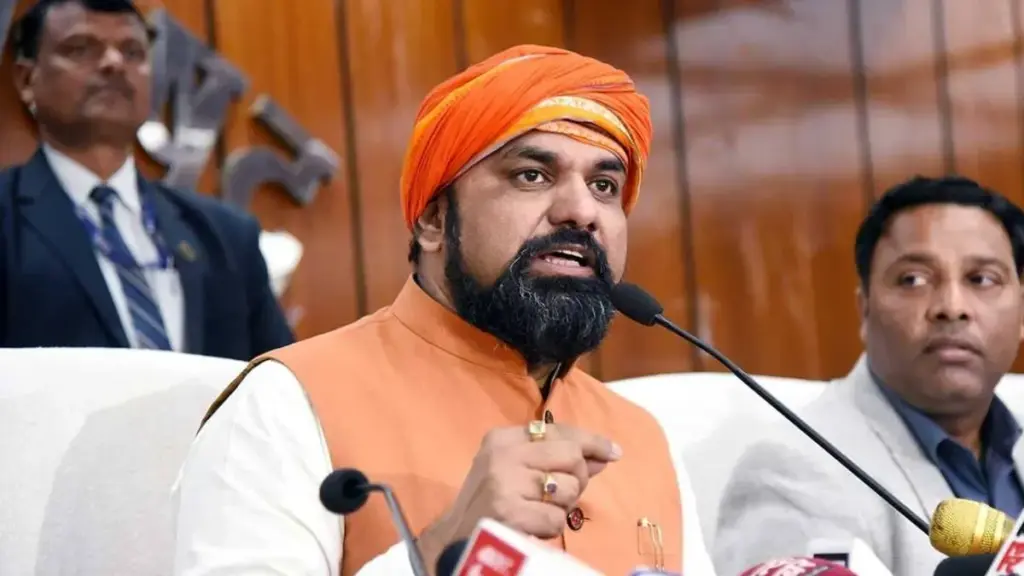
Samrat Chaudhary is poised to take over as Chief Minister of Bihar following Nitish Kumar’s resignation, a pivotal moment in the state’s politics.
What does Samrat Chaudhary’s rise to the position of Chief Minister signify for Bihar’s political landscape? Chaudhary is set to become the next Chief Minister of Bihar after Nitish Kumar’s resignation, marking a historic transition as he will be the first Chief Minister from the Bharatiya Janata Party (BJP) in the state.
Chaudhary’s political journey spans over three decades, with a notable tenure as the Deputy Chief Minister of Bihar. His name was proposed by Deputy Chief Minister Vijay Sinha and received endorsement from Union Minister Shivraj Singh Chouhan, indicating strong support from the party’s leadership. This endorsement comes at a time when the BJP has been consolidating its power in Bihar, having won 74 seats in the 2020 assembly elections under Chaudhary’s guidance.
Born on November 16, 1968, Chaudhary hails from the Koeri-Kushwaha caste, which comprises approximately 4.2% of Bihar’s population. His political career began in earnest in 1999 when he was appointed as the Minister of Agriculture in the RJD-led Bihar government. This early experience laid the groundwork for his future roles in state politics.
Chaudhary’s ascent to the Chief Ministership comes on the heels of Nitish Kumar’s resignation, which marks the end of a more than two-decade-long tenure. Kumar’s departure has created a significant shift in the political dynamics of Bihar, opening the door for new leadership and policies. Chaudhary has expressed his gratitude to the BJP for the opportunity to serve the people of Bihar, stating, “This is not merely a position for me, but a sacred opportunity to serve the people of Bihar, to fulfil their trust and dreams.”
As he prepares for his oath-taking ceremony scheduled for April 15, 2026, Chaudhary has pledged to live up to the expectations of the citizens of Bihar with complete dedication and integrity. He stated, “Together we will make Bihar prosperous and make the country developed,” highlighting his vision for the state’s future.
The transition to Chaudhary’s leadership raises questions about the future direction of Bihar under BJP governance. Will his administration prioritize economic development, social justice, and infrastructure improvements? Observers are keen to see how he will navigate the complexities of Bihar’s diverse political landscape, especially in light of the BJP’s growing influence in the region.
Details remain unconfirmed regarding the specific policies Chaudhary plans to implement, but his previous experience and commitment to public service suggest a focus on addressing the pressing issues facing Bihar. As the state embarks on this new chapter, the implications of Chaudhary’s leadership will undoubtedly be felt across the political spectrum.