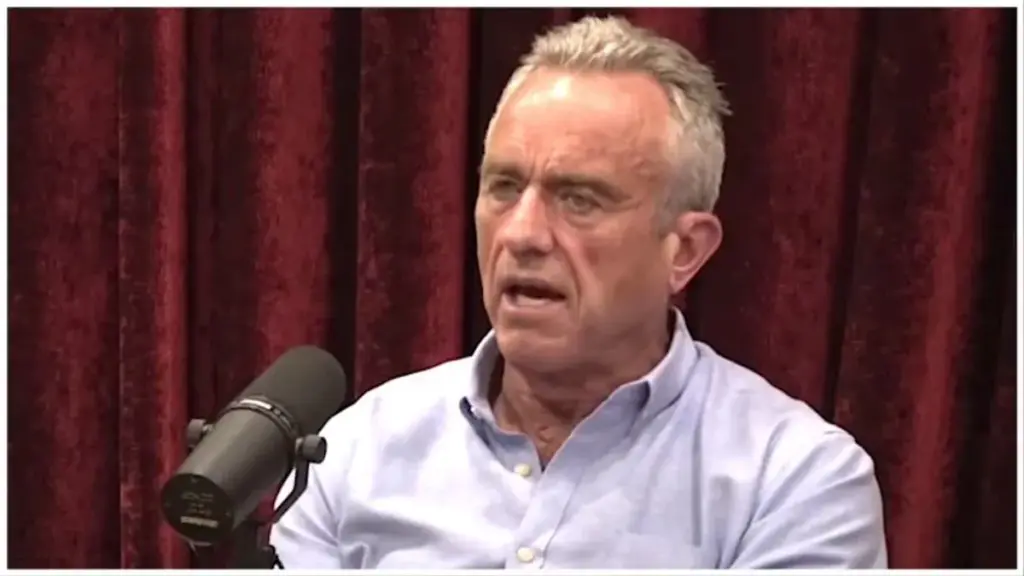
Introduction Robert F. Kennedy Jr. (RFK Jr.) has emerged as a significant figure in the United States’ political landscape as he campaigns for the presidency in 2024. His candidacy comes at a time when political polarization is at an all-time high, and his views often challenge established norms, making his journey both intriguing and controversial.
Introduction
Robert F. Kennedy Jr. (RFK Jr.) has emerged as a significant figure in the United States’ political landscape as he campaigns for the presidency in 2024. His candidacy comes at a time when political polarization is at an all-time high, and his views often challenge established norms, making his journey both intriguing and controversial. Kennedy’s campaign focuses on issues regarding public health, environmental policy, and government accountability, resonating with a segment of the population disenchanted with traditional politicians.
Background and Key Issues
RFK Jr., the son of former U.S. Attorney General Robert F. Kennedy, has built a reputation as an environmental attorney and a vaccine safety advocate. His campaign has garnered attention because he has positioned himself against the prevailing narratives surrounding vaccine policies, which he argues infringe on personal freedoms and health autonomy. Apart from health-related issues, his platform emphasizes climate change policies, calling for bold actions to combat environmental degradation and uphold consumer rights against corporate monopolies.
His decision to run as a Democrat initially raised eyebrows considering the party’s mainstream stance on several issues he criticizes. However, his ability to tap into grassroots movements advocating for medical freedom and environmental sustainability has created a unique coalition of supporters. In recent rallies, he has criticized both major parties, seeking to unify voters frustrated with the political status quo.
Recent Developments
RFK Jr.’s campaign has been marked by a series of public appearances, where he discusses his vision for America. In recent months, he has gained traction in polls and is drawing significant crowds. Key endorsements from notable figures in the health and wellness community have bolstered his profile. His messaging, especially regarding government transparency and accountability, resonates particularly with voters who feel disconnected from their representatives.
Interestingly, his campaign has also faced criticism, especially from those who argue that his views on vaccines could undermine public health initiatives. Despite the pushback, Kennedy remains steadfast in his beliefs and continues to advocate for what he calls the ‘truth’ regarding vaccine safety, which he claims is often overlooked in mainstream discussions.
Conclusion
As RFK Jr.’s campaign progresses, its effect on the Democratic primary landscape will become clearer. His unique platform and methodology might appeal to voters looking for alternatives to conventional candidates. Whether he can secure a substantial base within the party and challenge established norms effectively remains to be seen. However, one thing is certain: RFK Jr.’s candidacy will keep political discussions dynamic as the election year unfolds, shaping the narrative around health freedoms, environmental issues, and government accountability that many Americans care deeply about.