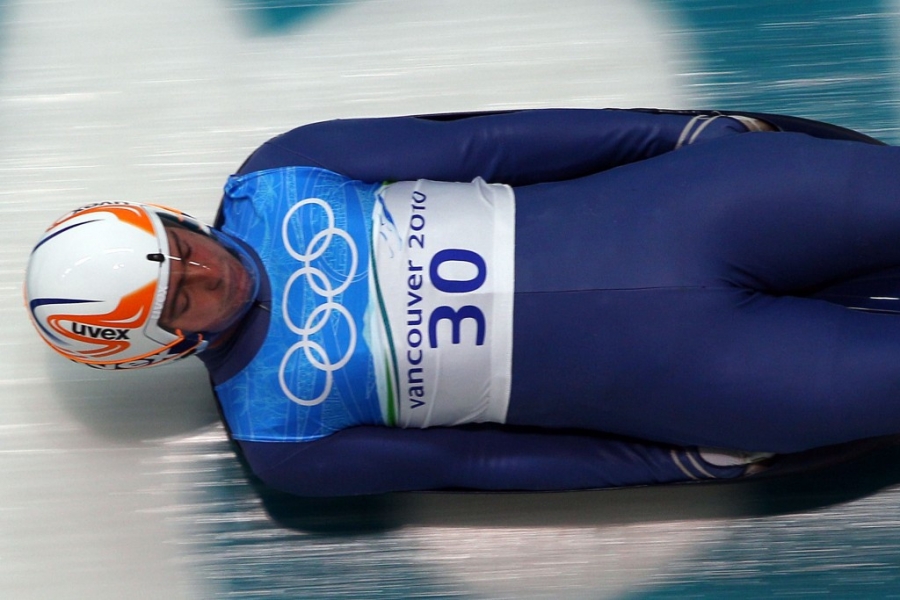
The Tragic Incident Nodar Kumaritashvili, a Georgian luger, tragically lost his life during a training run at the 2010 Vancouver Winter Olympics. His death occurred on February 12, 2010, just hours before the opening ceremony. This event shocked the sports community and highlighted the risks associated with extreme sports. Impact on Safety Regulations Following Kumaritashvili’s
The Tragic Incident
Nodar Kumaritashvili, a Georgian luger, tragically lost his life during a training run at the 2010 Vancouver Winter Olympics. His death occurred on February 12, 2010, just hours before the opening ceremony. This event shocked the sports community and highlighted the risks associated with extreme sports.
Impact on Safety Regulations
Following Kumaritashvili’s death, there was an immediate outcry regarding the safety of Olympic venues. Investigations revealed that the Whistler Sliding Centre, where he lost his life, had been evaluated for speed and safety inadequacies. In response, the International Luge Federation took steps to enhance safety regulations, including modifications to track design and increased attention to athlete safety measures. These changes have since been critical in protecting athletes in future competitions.
Remembering Nodar Kumaritashvili
Kumaritashvili, only 21 at the time of his passing, was known for his passionate spirit and dedication to the sport. His legacy endures within the luge community, where he is fondly remembered for his talent and determination. Every year, many in the sport honor Kumaritashvili’s memory, ensuring that his sacrifice leads to improved safety standards for future athletes.
Legacy and Reflections
Kumaritashvili’s story serves as a reminder of the importance of athlete safety in sports. The International Olympic Committee and various sports federations continue to reflect on his legacy, advocating for ongoing improvements to equipment and track conditions. As they prepare for the upcoming Winter Olympics, the conversation around safety remains at the forefront, ensuring that future athletes can compete in safer environments.
Conclusion
The legacy of Nodar Kumaritashvili extends far beyond that fateful day in 2010. It has prompted significant changes in the world of luge and has inspired conversations about athlete safety on a broader scale. As the sports community continues to evolve, Kumaritashvili’s memory will undoubtedly play a crucial role in shaping a safer future for all Olympic athletes.