Introduction The Massachusetts Bay Transportation Authority (MBTA), serving the greater Boston area, plays a crucial role in public transit. With millions of rides taken each year, the efficient operation of the MBTA is vital for commuters, tourists, and residents alike. Recent updates and improvements have been made to enhance service reliability, safety, and the overall
Introduction
The Massachusetts Bay Transportation Authority (MBTA), serving the greater Boston area, plays a crucial role in public transit. With millions of rides taken each year, the efficient operation of the MBTA is vital for commuters, tourists, and residents alike. Recent updates and improvements have been made to enhance service reliability, safety, and the overall experience for riders, making this topic particularly relevant to those who depend on public transportation.
Current Events and Updates
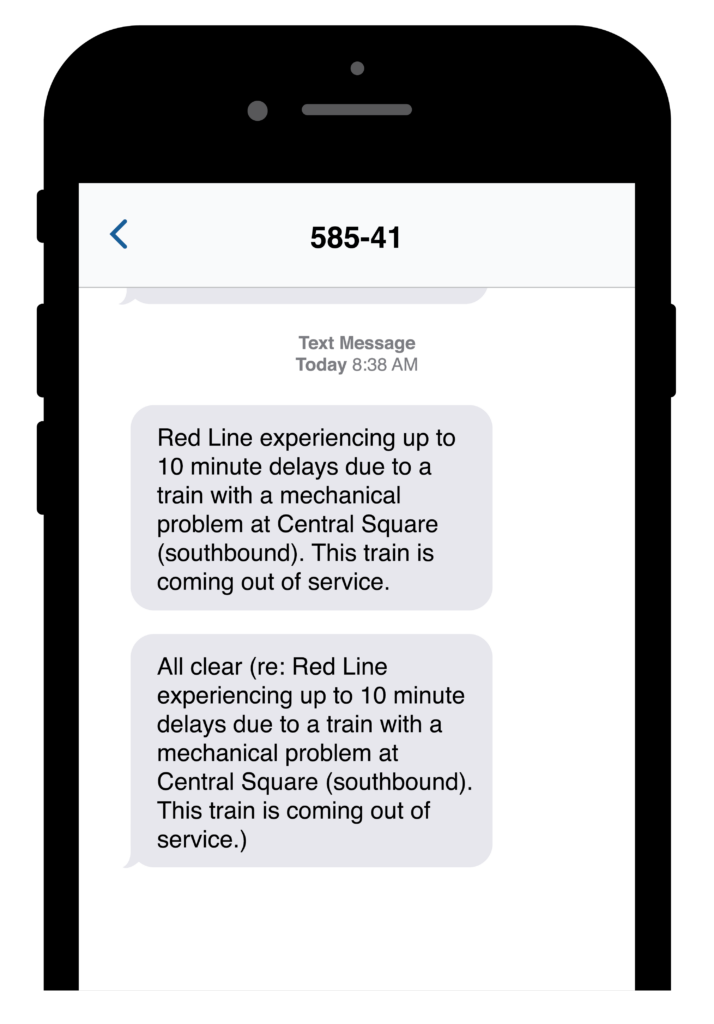
As of October 2023, the MBTA has announced noteworthy improvements and expansions across its services. These include the rollout of real-time tracking systems on buses and trains, aimed at providing users with more accurate arrival times and easing the stress of waiting. The efficacy of these enhancements was evaluated during a recent public meeting where officials shared the positive feedback received from riders regarding the tracking technology.
Furthermore, the MBTA is in the process of implementing accessibility improvements across its stations. Upgrades include the installation of elevators and ramps, making transit more accessible to people with disabilities. This initiative aligns with the MBTA’s commitment to inclusivity, ensuring all community members can utilize public transit.
Safety and Maintenance
In response to safety concerns, the MBTA has allocated a significant portion of its annual budget towards maintenance and infrastructure upgrades. Recent investments include the replacement of aging train cars and the modernization of signaling systems to enhance train safety. Additionally, increasing inspections and preventative maintenance schedules have been introduced to minimize the risks of service disruptions, fostering a more reliable transit system.
Conclusion
In conclusion, as the MBTA continues to evolve, its focus on improving customer experience, safety, and accessibility is evident. With the ongoing upgrades and investments, the future looks promising for riders who rely on this vital transit system. As developments unfold, stakeholders, including local government and community members, will be continuously engaged to ensure that the needs of the public are met. For commuters in Boston, these updates not only signify improvements in daily transport but also reflect a commitment to modernizing the transit experience for future generations.