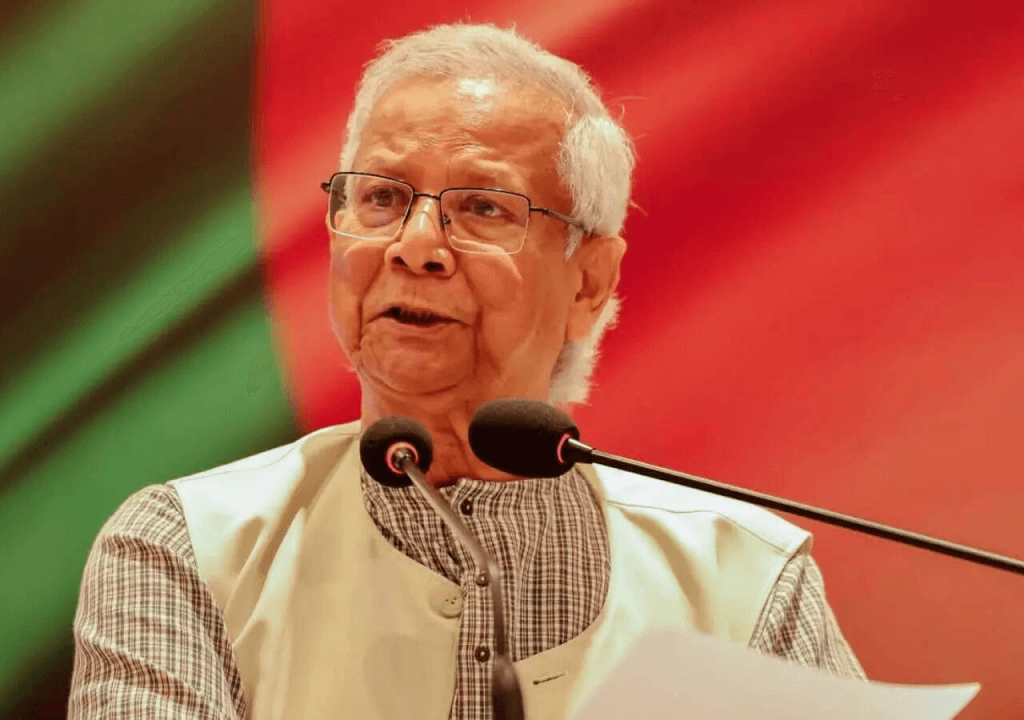
Importance of the Bangladesh Election 2026 The upcoming Bangladesh Election in 2026 is poised to be a pivotal moment in the nation’s political landscape. As one of the most populous countries in South Asia, with a population of over 160 million, Bangladesh’s political stability is crucial not only for its citizens but also for the
Importance of the Bangladesh Election 2026
The upcoming Bangladesh Election in 2026 is poised to be a pivotal moment in the nation’s political landscape. As one of the most populous countries in South Asia, with a population of over 160 million, Bangladesh’s political stability is crucial not only for its citizens but also for the regional dynamics of South Asia. Historically marked by political volatility, the forthcoming elections will determine the direction of the country in terms of governance, economic policies, and social reforms.
Current Political Climate
As of now, the political atmosphere in Bangladesh continues to be charged. The ruling Awami League, led by Prime Minister Sheikh Hasina, has announced its intention to seek a fourth consecutive term. Critics and opposition parties, notably the Bangladesh Nationalist Party (BNP), have raised concerns over electoral fairness. Recent protests and dialogues among political factions indicate a growing tension surrounding electoral processes. The current government acknowledges the need for engagement and transparency to ensure a credible election.
Key Issues at Stake
Several critical issues will define the election narrative. First and foremost is the economy—post-pandemic recovery efforts and inflation rates are at the forefront of voters’ concerns. Additionally, the need for improvements in healthcare, education, and infrastructure remains prominent. The political parties’ capabilities to address climate change, given Bangladesh’s vulnerability to environmental disasters, is also expected to feature heavily in the electoral debates.
International Relations and Perceptions
The international community is closely watching the situation in Bangladesh, particularly as it approaches the election period. Relations with neighboring countries, including India and Myanmar, as well as interaction with global powers like the United States, will undoubtedly influence domestic politics. Observers anticipate that election outcomes will also affect Bangladesh’s foreign aid, trade agreements, and investment prospects going forward.
Conclusion: What Lies Ahead
With the Bangladesh Election 2026 fast approaching, the significance of these elections cannot be overstated. The potential for increased political polarization exists if citizens perceive unfair practices or disenfranchisement. A focus on greater political engagement and inclusive policies is essential for fostering a stable democracy. As citizens prepare to cast their votes, the world watches closely, hopeful for a transparent electoral process that serves the interests of the Bangladeshi populace and promotes stability in the region.