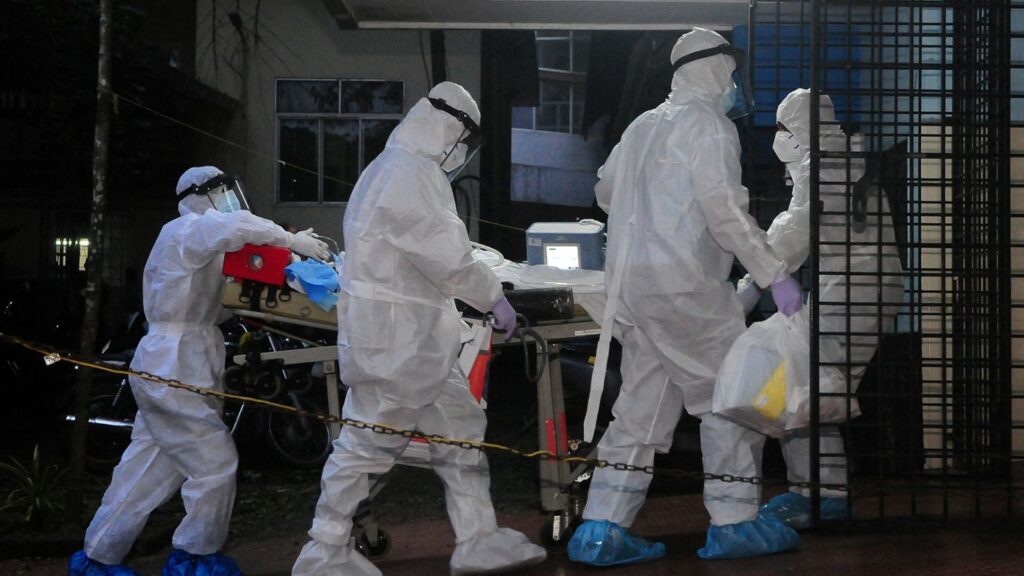
Introduction: The Emergence of Nipah Virus The Nipah virus, first identified in Malaysia in 1999, poses a significant threat to public health, particularly in regions like India. Given the virus’s zoonotic nature and high mortality rate, it is crucial to monitor its potential emergence and spread. As health authorities anticipate a possible resurgence of Nipah
Introduction: The Emergence of Nipah Virus
The Nipah virus, first identified in Malaysia in 1999, poses a significant threat to public health, particularly in regions like India. Given the virus’s zoonotic nature and high mortality rate, it is crucial to monitor its potential emergence and spread. As health authorities anticipate a possible resurgence of Nipah virus cases in 2026, understanding its implications is essential for ensuring community preparedness and resilience.
The Current Situation in India
India has seen sporadic outbreaks of Nipah virus since its first recorded case in 2001 in West Bengal. In 2018, Kerala faced a severe outbreak that resulted in 17 deaths, necessitating urgent public health interventions. Health experts warn that with the ongoing climate change and increasing human-animal interaction, the risk of future outbreaks remains high. Recent studies suggest that the bat population, known carriers of the virus, is increasing, heightening concerns that the Nipah virus could re-emerge with greater frequency.
Potential Impact in 2026
Looking toward 2026, health experts predict that the convergence of environmental changes and population growth could facilitate the spread of the Nipah virus in India. Public health infrastructure will be crucial in managing any potential outbreak, relying on quick identification processes, effective contact tracing, and community awareness campaigns. The implications of a Nipah virus outbreak could be severe, including increased healthcare costs, loss of life, and economic downturns in affected regions.
Government Response and Preparedness
In anticipation of possible outbreaks, the Indian government is enhancing its surveillance systems and improving medical response strategies. Initiatives such as the development of rapid diagnostic tests and the establishment of specialized response teams are underway. Additionally, collaboration between state health departments and international bodies like the World Health Organization is critical for knowledge sharing and resource mobilization, ensuring timely and effective responses to any emerging threats.
Conclusion: Preparing for the Future
As India looks toward 2026, the potential threat of the Nipah virus cannot be overlooked. Increased public awareness, robust health policies, and proactive measures will be necessary to mitigate risks. Community participation in health surveillance and education on zoonotic diseases will also play a vital role in controlling any future outbreaks. By addressing these challenges head-on, India can better safeguard its population against the Nipah virus and other emerging infectious diseases.