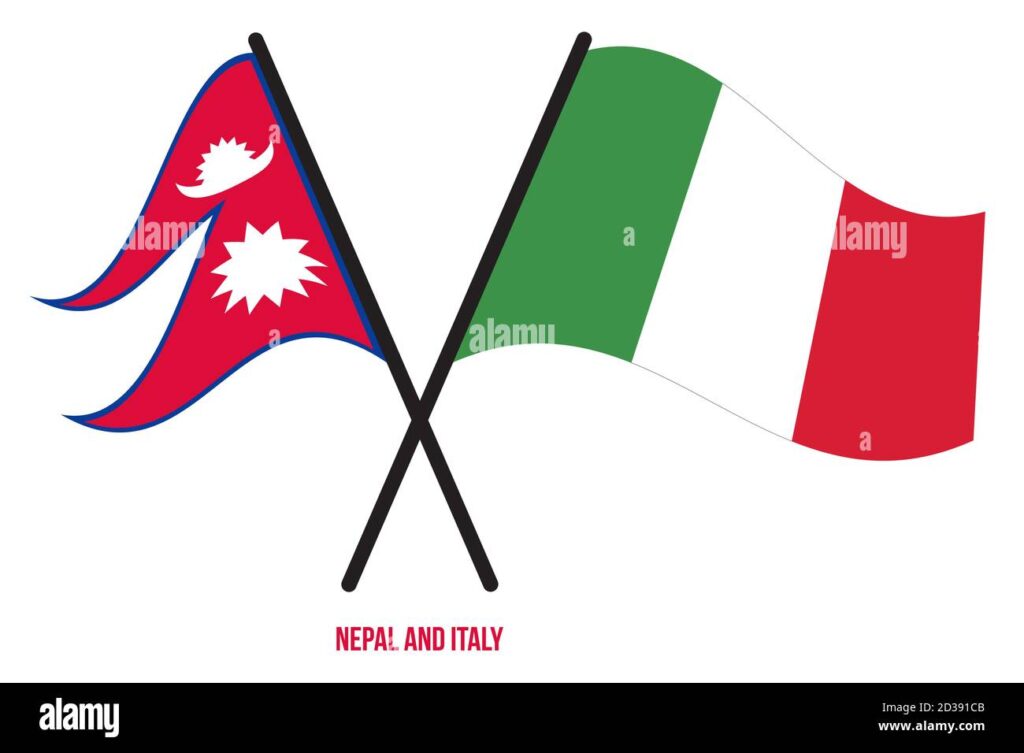
Introduction The cultural and economic landscapes of Nepal and Italy are remarkably different, making the comparison between these two countries interesting and significant. While Nepal is known for its stunning mountains and rich cultural heritage, Italy is celebrated for its historical architecture and influential art scenes. Understanding these differences is crucial for anyone interested in
Introduction
The cultural and economic landscapes of Nepal and Italy are remarkably different, making the comparison between these two countries interesting and significant. While Nepal is known for its stunning mountains and rich cultural heritage, Italy is celebrated for its historical architecture and influential art scenes. Understanding these differences is crucial for anyone interested in global studies, travel, or international relations.
Cultural Overview
Nepal, nestled in the foothills of the Himalayas, boasts a unique blend of ethnicities, languages, and traditions. The country is home to eight of the world’s fourteen highest peaks, including Mount Everest, which attracts thousands of trekkers and mountaineers each year. Additionally, festivals such as Dashain and Tihar reflect the country’s deep-rooted spiritual beliefs and community values.
Italy, on the other hand, is renowned for its profound contributions to art, music, and cuisine. Features like the Colosseum, Leaning Tower of Pisa, and Vatican City speak to its rich historical tapestry. Italian cuisine, with its emphasis on fresh ingredients and regional varieties, has gained global popularity. Festivities like Carnevale highlight the nation’s joyous spirit and cultural diversity.
Economic Comparison
Economically, Italy has a highly developed industrial economy, characterized by its fashion, automotive, and manufacturing sectors. As of 2023, it is the eighth-largest economy in the world, with a GDP of approximately $2 trillion. The country is also a prominent member of the European Union, benefiting from trade agreements and collaborative economic strategies.
Nepal’s economy, conversely, is considered developing, heavily reliant on agriculture and tourism, contributing to roughly 25% of its GDP. Despite significant potential, challenges such as political instability and limited infrastructure have hindered its economic growth. However, the tourism sector, largely centered around trekking and cultural experiences, shows promise for future development.
Conclusion
The contrasts between Nepal and Italy highlight how geographic, cultural, and economic factors shape countries uniquely. For readers interested in travel, learning about these differences fosters a deeper appreciation for global diversity. Future trends indicate that while Italy will continue to thrive as an economic powerhouse in Europe, Nepal’s tourism sector may experience growth as more travelers seek authentic and transformative experiences. Understanding these dynamics is essential in fostering cross-cultural exchanges and developing insights into global affairs.