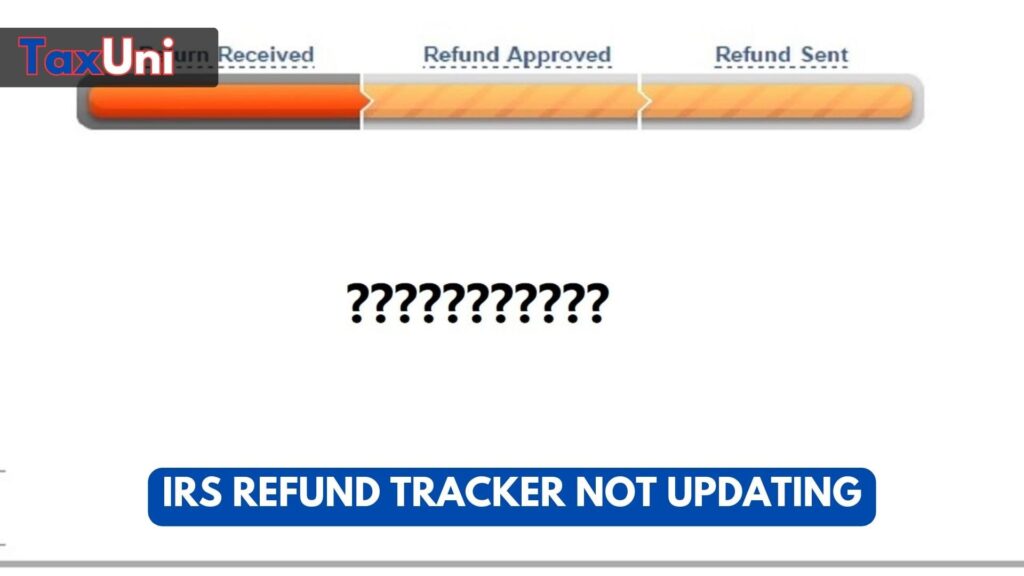
Introduction to IRS Refunds The Internal Revenue Service (IRS) refund plays a crucial role in the financial landscape for millions of taxpayers across the United States. The refund is not only viewed as a fiscal lifeline, especially during challenging economic times, but it also represents the culmination of a taxpayer’s annual filing process. Understanding how
Introduction to IRS Refunds
The Internal Revenue Service (IRS) refund plays a crucial role in the financial landscape for millions of taxpayers across the United States. The refund is not only viewed as a fiscal lifeline, especially during challenging economic times, but it also represents the culmination of a taxpayer’s annual filing process. Understanding how refunds work, their significance, and current updates regarding this year’s tax season is essential for effective financial planning.
The Process of Receiving IRS Refunds
Typically, taxpayers can expect an IRS refund once their tax return has been filed and processed by the agency. According to the IRS, more than 90% of refunds are issued within 21 days if the return is filed electronically and includes direct deposit information. For 2023, the IRS has introduced various initiatives to streamline the refund process and enhance overall taxpayer experience.
In recent updates, the IRS has extended its service hours and improved online tracking capabilities through the “Where’s My Refund?” tool. This online service allows taxpayers to check the status of their refunds in real-time, further providing peace of mind during the waiting period.
Current Events Impacting Refunds
This tax season, the IRS has faced some challenges, including budgetary constraints and staffing shortages, which may impact processing time. Additionally, changes to tax law, such as adjustments in standard deductions and credits, could affect refund amounts for many taxpayers. As of late 2023, the IRS has been actively advising taxpayers on changes relating to deductions for student loans, which might further influence refunds for those qualifying.
Moreover, potential delays may occur due to significant backlogs stemming from the Covid-19 pandemic, which could cause longer-than-usual processing times for certain returns. Taxpayers are encouraged to file early and use digital methods to mitigate any waiting period for their refunds.
Conclusion and Forecasts for Taxpayers
As we progress through the tax season, it is crucial for taxpayers to stay informed about the IRS refund process, ongoing changes, and tips to expedite their refunds. By utilizing available resources, understanding potential challenges, and preparing ahead, taxpayers can ensure a smoother experience. In light of current events, it is advisable to follow IRS announcements closely as further changes could arise, impacting the overall refund experience. As refunds can be a significant part of financial planning for many, being proactive in navigating this landscape will benefit all taxpayers significantly.