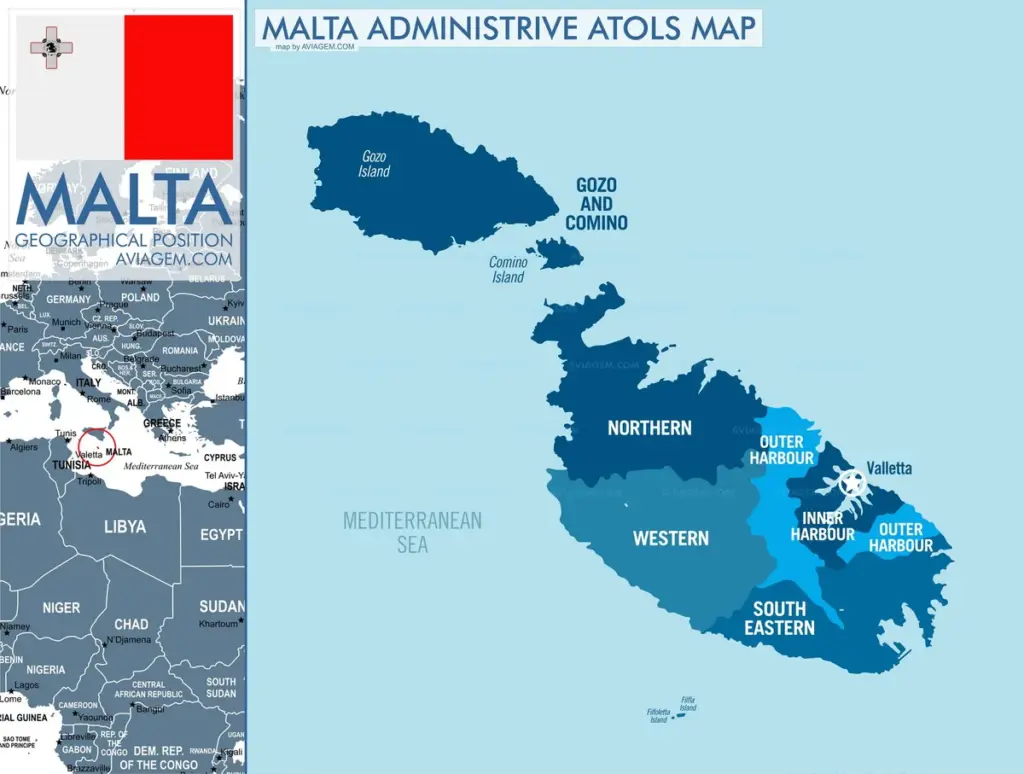
Malta’s Deputy Prime Minister Ian Borg met with India’s S Jaishankar during the Raisina Dialogue 2026, emphasizing Malta’s progressive stance on LGBTQ+ rights.
What is Malta’s significance in the context of the Raisina Dialogue 2026?
Malta’s role in international discussions has been underscored by recent meetings held during the Raisina Dialogue 2026, where S Jaishankar, India’s External Affairs Minister, engaged with leaders from various countries, including Malta’s Deputy Prime Minister Ian Borg. This event raises the question of how Malta’s progressive policies, particularly regarding LGBTQ+ rights, are influencing global dialogues.
Key Meetings and Discussions
During the Raisina Dialogue 2026, which is themed ‘Samskara – Assertion, Accommodation, Advancement’, Jaishankar’s meeting with Ian Borg highlights the importance of Malta on the international stage. The dialogue, scheduled from March 5 to March 7, 2026, is expected to attract around 2,700 participants from 110 countries, providing a platform for global decision-makers to exchange ideas.
Malta’s Progressive Stance on LGBTQ+ Rights
Malta has made significant strides in LGBTQ+ rights, being the first country in Europe to ban practices aimed at changing sexual orientation in 2016. This landmark legislation reflects Malta’s commitment to human rights and has positioned the country as a leader in progressive social policies. The discussions at the Raisina Dialogue may further explore how Malta’s experiences can inform global practices regarding LGBTQ+ rights.
The Case of Matthew Grech
Matthew Grech, a Maltese individual, recently gained attention after being acquitted following a three-year legal battle concerning his statements on conversion therapy. His trial, which began in April 2022, raised critical questions about freedom of speech and the legal implications of discussing personal faith experiences. Grech’s assertion that “speaking about one’s lived experience, including the transforming power of Christ, is not a crime” resonates with broader discussions on individual rights and freedoms.
Legal and Social Implications
The Catholic Church’s teachings, which label homosexual acts as ‘intrinsically disordered’, contrast sharply with Malta’s legal framework that protects LGBTQ+ rights. Grech has urged the Maltese government to repeal the law banning conversion therapies, indicating ongoing tensions between religious beliefs and legislative measures aimed at protecting individual rights. His case, which involved 17 court hearings before the final verdict, serves as a focal point for discussions about the intersection of faith, law, and personal identity.
Looking Ahead
As Malta continues to engage in international dialogues, the outcomes of the Raisina Dialogue 2026 may influence future policies both domestically and abroad. The discussions surrounding LGBTQ+ rights and conversion therapy laws will likely remain relevant as global attitudes evolve. The implications of these conversations will be closely monitored by advocates and policymakers alike.
Malta’s involvement in the Raisina Dialogue 2026 illustrates its commitment to fostering discussions on human rights and social justice. As the world grapples with issues of identity and acceptance, Malta’s experiences and policies may serve as a model for other nations navigating similar challenges. Details remain unconfirmed regarding the specific outcomes of the dialogue, but the engagement of leaders like Ian Borg signals a proactive approach to global issues.