Introduction Madagascar, the world’s fourth-largest island, is renowned for its unique biodiversity and endemic species found nowhere else on Earth. Home to over 200,000 different species of plants and animals, about 90% of which are found only on this island, Madagascar’s rich ecosystems are a vital part of global biodiversity. Its relevance in today’s environmental
Introduction
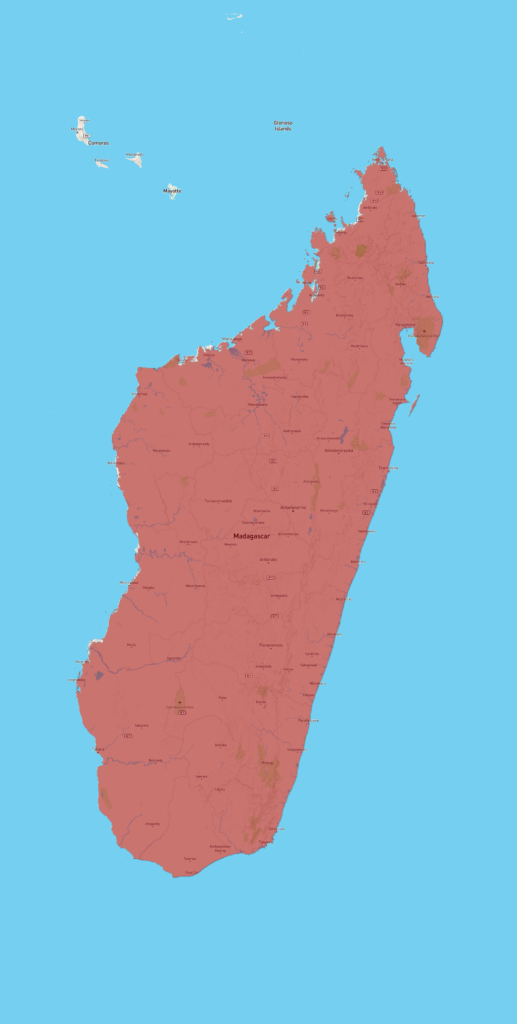
Madagascar, the world’s fourth-largest island, is renowned for its unique biodiversity and endemic species found nowhere else on Earth. Home to over 200,000 different species of plants and animals, about 90% of which are found only on this island, Madagascar’s rich ecosystems are a vital part of global biodiversity. Its relevance in today’s environmental discussions is paramount, as scientists and conservationists strive to protect this intricate web of life against threats such as deforestation and climate change.
The Biodiversity of Madagascar
Madagascar’s isolation from other land masses for millions of years has led to the development of a plethora of unique wildlife. Among its notable inhabitants are the lemurs, with over 100 species varying in size and behavior, including the iconic ring-tailed lemur. In addition to lemurs, the island boasts a vast array of reptiles, birds, and plants, resulting in unique ecosystems ranging from rainforests to deserts.
Recent studies have highlighted the importance of Madagascar’s biodiversity. The island not only provides vital habitat for these species but also contributes significantly to the livelihoods of local communities through ecotourism, agriculture, and traditional medicine. However, these natural resources are under threat, with the United Nations estimating that around 90% of Madagascar’s forests have been lost in the past century due to slash-and-burn agriculture, logging, and mining.
Conservation Efforts
Conservation organizations, both local and international, are actively working to preserve Madagascar’s unique ecosystems. The Malagasy government has established numerous protected areas to safeguard habitats, such as the Andasibe-Mantadia National Park and the Tsingy de Bemaraha, a UNESCO World Heritage site. These efforts focus on sustainable practices that align with the needs of the local population.
Furthermore, innovative initiatives like community-based conservation programs have emerged, which engage local communities in protecting their environment while benefiting economically. These programs aim to demonstrate the value of biodiversity through ecotourism and sustainable resource management.
Conclusion
The significance of Madagascar extends beyond its borders; it is a natural laboratory for scientific research, a hub of cultural diversity, and a prime example of the urgent need for conservation efforts. As environmental challenges loom large, the fate of Madagascar’s unique biodiversity hangs in the balance, dependent on the actions taken today.
Looking ahead, it is clear that enhancing global awareness and support for Madagascar is crucial. Protecting its remarkable biodiversity is not only a moral obligation but also essential for maintaining the balance of our planet’s ecosystems, ensuring that future generations can experience the wonders of this extraordinary island.