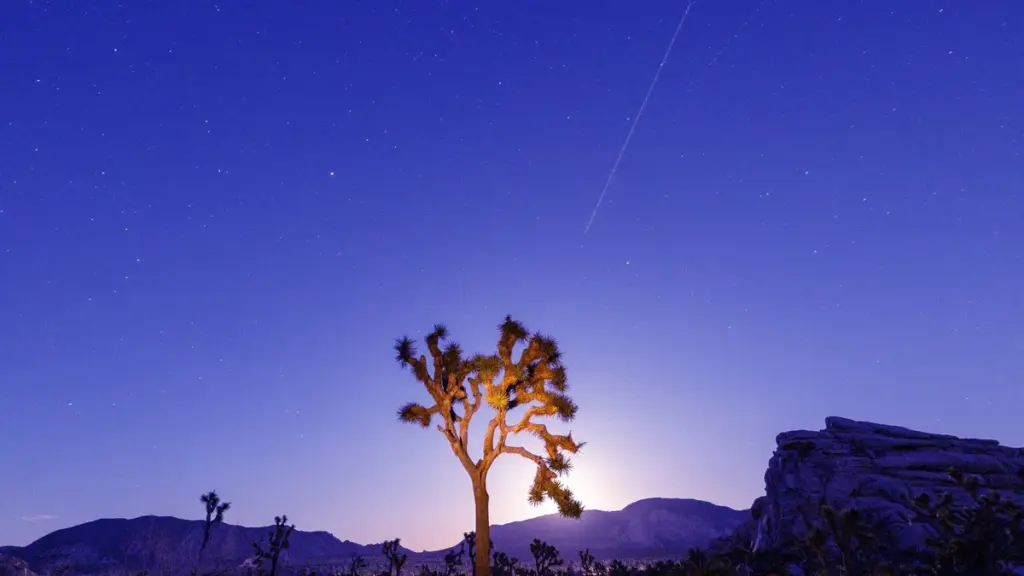
The Lyrid meteor shower, peaking on April 21-22, offers a dazzling show of meteors originating from Comet C/1861 G1 Thatcher.
The Lyrid meteor shower peaks from April 21 to April 22 this year, presenting a unique opportunity for stargazers across the Northern Hemisphere. Observers can expect to see up to 15–20 meteors per hour under clear conditions in the UK. These meteors are not just any ordinary shooting stars; they are fast and bright, often leaving glowing trails that can captivate anyone lucky enough to catch a glimpse.
But what causes this fascinating celestial event? The Lyrids originate from Comet C/1861 G1 Thatcher, which sheds particles as it travels through space. When Earth passes through this debris field each April, those particles enter our atmosphere at high speeds, creating the stunning light shows we associate with meteor showers. The meteors appear to radiate from the constellation Lyra—specifically near its brightest star, Vega.
The historical significance of the Lyrids is remarkable. They have been observed for more than 2,700 years, with records dating back to 687 BC. This makes them one of the oldest documented meteor showers known to humanity. Such longevity adds a layer of intrigue; each year, countless individuals look up at the night sky and connect with generations past who experienced the same wonder.
During their peak activity, observers should ideally wait until after midnight when the radiant rises higher in the sky for optimal viewing conditions. It takes about 30 minutes for your eyes to adjust to darkness—this simple preparation can make all the difference in spotting meteors.
So why should you care about the Lyrid meteor shower? Beyond their beauty, these meteors remind us of our place in the universe and our connection to ancient civilizations. Watching them can evoke feelings of both awe and curiosity about what lies beyond our planet.
Details remain unconfirmed regarding how many meteors may be visible this year compared to previous years. Nonetheless, enthusiasts anticipate an exciting display as always. Whether you’re a seasoned astronomer or just someone looking for a moment of wonder, the Lyrids offer something special each spring.