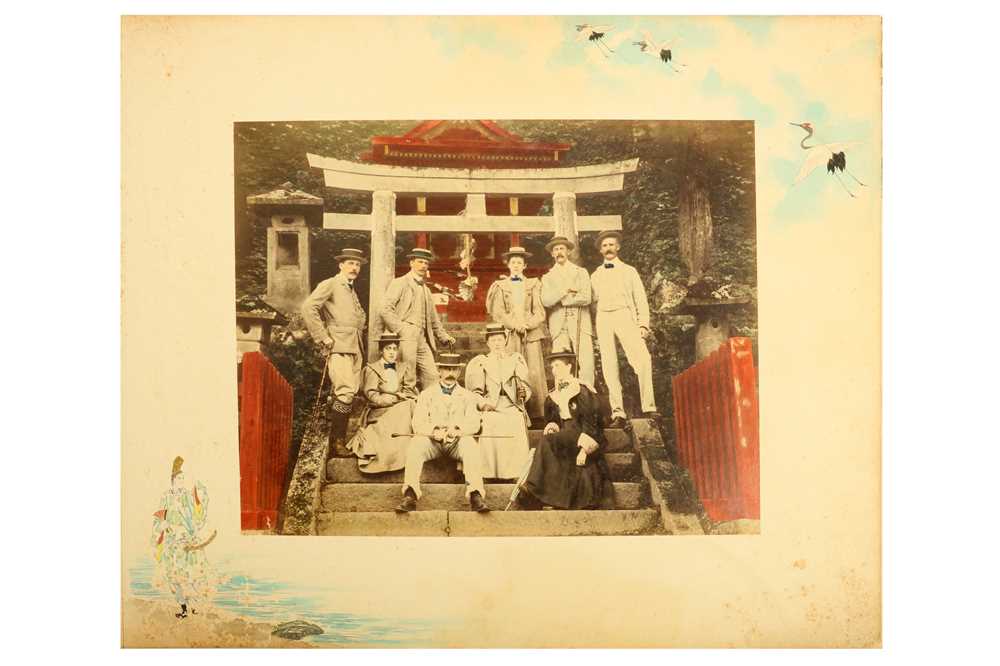
Introduction Japan, an island nation in East Asia, is renowned for its rich cultural heritage and modern technological advancements. With a history that spans thousands of years, Japan serves as a unique case study of how tradition and innovation can coexist. This duality has not only shaped the nation’s identity but also its influence on
Introduction
Japan, an island nation in East Asia, is renowned for its rich cultural heritage and modern technological advancements. With a history that spans thousands of years, Japan serves as a unique case study of how tradition and innovation can coexist. This duality has not only shaped the nation’s identity but also its influence on the global stage, making understanding Japan’s current events and developments particularly important.
Current Events and Developments
As of late 2023, Japan has been at the forefront of several significant global issues, particularly in technology and environmental initiatives. The country recently unveiled its ambitious plan to achieve net-zero carbon emissions by 2050, promising substantial investments in renewable energy sources. This initiative positions Japan as a leader in sustainable practices, especially as it moves away from reliance on nuclear energy post-Fukushima disaster.
In technology, Japan continues to push boundaries with advancements in robotics and artificial intelligence (AI). Major businesses such as Sony and Toyota are collaborating to develop next-generation AI technologies aimed at improving daily life and enhancing industry efficiency. The ‘Society 5.0’ initiative launched by the Japanese government further exemplifies this commitment, striving to create a super-smart society through the integration of the digital and physical worlds.
Aside from economic and technological advancements, Japan also faces challenges related to its aging population. With one of the highest life expectancies in the world, the demographic shift has raised concerns about workforce sustainability. In response, the government is promoting policies aimed at increasing workforce participation among women and the elderly, as well as easing immigration restrictions to attract foreign workers.
Conclusion
The intricate balance of tradition and innovation defines Japan’s trajectory in the 21st century. Moving forward, Japan’s commitment to sustainability and technological advancement will continue to be pivotal in shaping its global influence. For citizens and observers alike, understanding these developments is essential, as Japan not only navigates its internal challenges but also sets a precedent for other nations in areas like environmental responsibility and technological integration. As we look to the future, Japan stands as a testament to the possibilities that lie at the intersection of culture and progress.