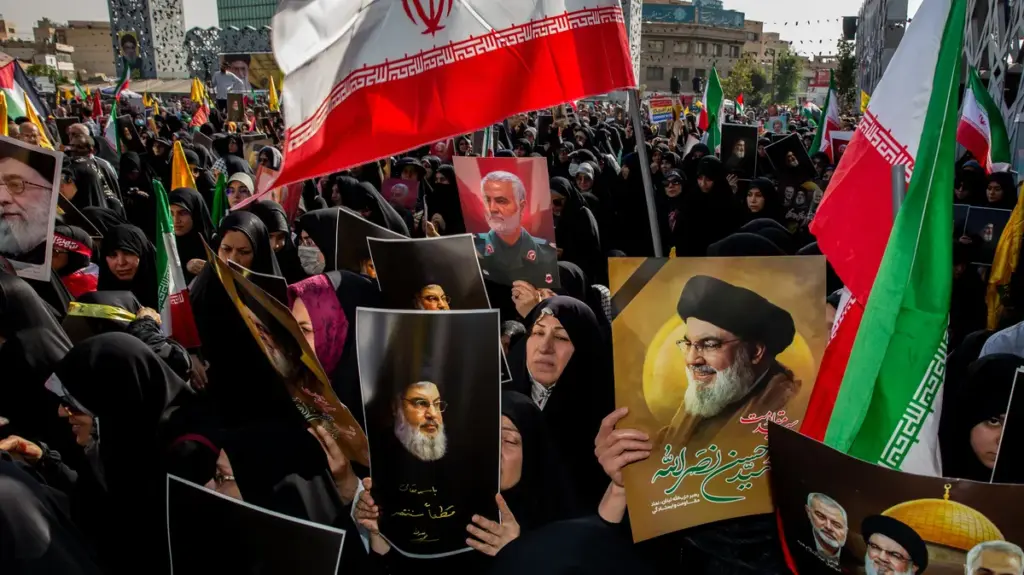
The Israel Iran conflict has escalated dramatically since late February 2026, resulting in thousands of civilian casualties and widespread military actions.
Escalation of Hostilities
The Israel Iran conflict has seen a significant escalation since February 28, 2026, when a large-scale attack targeted Iran’s leadership, nuclear facilities, and conventional forces. This military campaign, involving both Israel and the United States, aims to degrade or eliminate Iran’s military capabilities, particularly its nuclear and ballistic missile programs. The consequences have been severe, with Iran reporting over 1,300 civilian deaths and nearly 10,000 civilian sites hit since the onset of hostilities.
In retaliation, Iran has launched missile strikes and drone missions targeting nearly all Gulf Cooperation Council (GCC) countries, with Oman remaining the only nation spared due to its neutrality and absence of American military bases. The Iranian Revolutionary Guards have executed a 37th wave of attacks aimed at Israeli locations and US bases in the Gulf region, further escalating tensions in an already volatile area.
Military and Civilian Casualties
The Pentagon has confirmed that approximately 140 US service members have been wounded, with seven fatalities reported since the launch of Operation Epic Fury. Iran’s military strategy includes threats to target economic centers and banks associated with US and Israeli entities, indicating a broader scope of conflict that extends beyond military engagements.
Accusations and Reactions
Iran has accused the US and Israel of deliberately attacking civilian infrastructure, including homes and healthcare facilities, exacerbating the humanitarian crisis. Ahmad-Reza Radan, an Iranian official, stated that those supporting the country’s enemies would be treated as ‘enemies’, highlighting the increasing polarization in the region.
Statements from Leaders
Former Israeli officials have remarked on the complexity of the situation, emphasizing that addressing Iran’s military capabilities will take time. Donald Trump has indicated that the military campaign could last at least four to five weeks, suggesting a prolonged conflict ahead. Meanwhile, Mohammed bin Abdulaziz al-Khulaifi, a GCC representative, noted that Iran’s attacks on its neighbors bring ‘benefit for no one’, reflecting the broader regional concerns about stability.
Strategic Coercion
Iran is employing a strategy of second-order coercion, attempting to compel the US and Israel to cease their military assaults. However, the long-term effectiveness of this strategy remains unclear, as does the potential for internal chaos or civil war within Iran as a result of the ongoing conflict.
Uncertainties Ahead
Details remain unconfirmed regarding the exact duration and outcome of the US-Israeli military campaign. As the situation continues to evolve, the international community watches closely, aware that the stakes are high and the ramifications of this conflict could have lasting effects on regional and global stability.