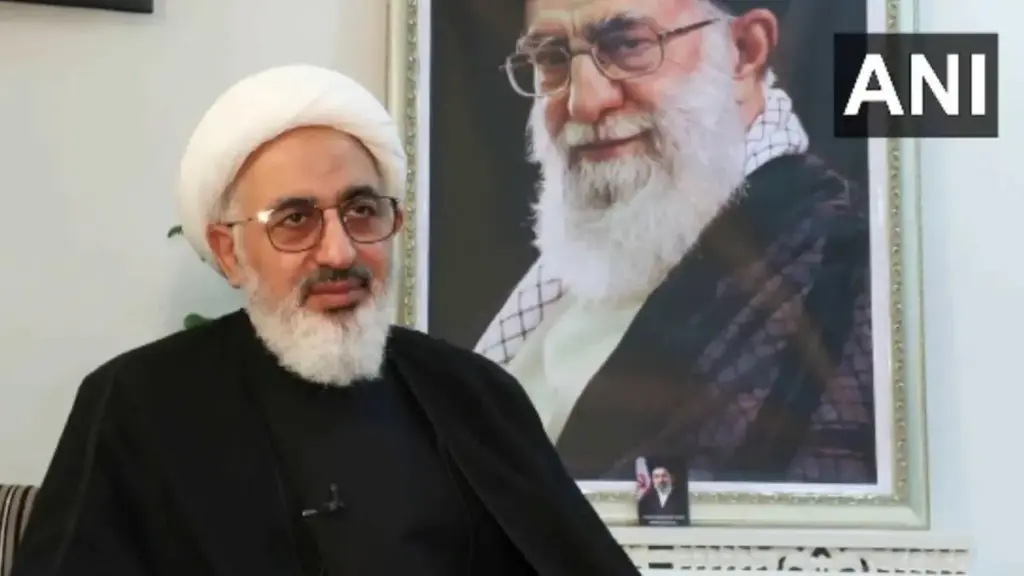
Iran has officially denied Pakistan’s involvement in mediating discussions with the US, amidst ongoing regional tensions.
What is Iran’s stance on the recent discussions with the US and the role of Pakistan in these negotiations? Iran has officially denied Pakistan’s involvement in mediating discussions with the United States, asserting that such claims are linked to strategies aimed at manipulating the oil market.
This denial comes in the wake of heightened tensions following a joint offensive by the US and Israel in February 2026, which Iran blames for ongoing instability in the region. The Iranian government has called for urgent global intervention to protect civilian infrastructure, highlighting the dire humanitarian situation exacerbated by the conflict.
In this complex geopolitical landscape, India has been encouraged to play a pivotal role in peace initiatives for 2026, reflecting the shifting dynamics of regional alliances and the need for collaborative efforts to restore stability.
Adding to the tension, former US President Donald Trump has threatened to reopen the Strait of Hormuz, a critical chokepoint for global oil shipments. However, Iran has firmly rejected this ultimatum, maintaining its position against any reopening of the strait despite external pressures.
The situation remains fluid, with various stakeholders involved and the potential for further escalation. Iran’s position on mediation and regional stability is influenced by these recent geopolitical events, which continue to unfold.
Details remain unconfirmed regarding the extent of Pakistan’s involvement and the implications of Trump’s threats on the Strait of Hormuz. As the international community watches closely, the future of US-Iran relations and regional peace initiatives hangs in the balance.