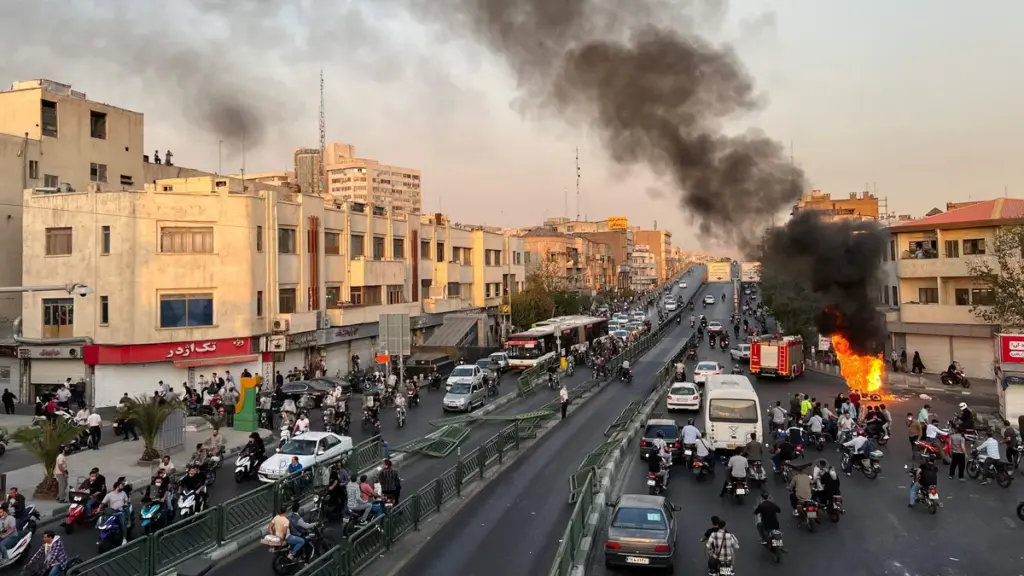
Pakistan is grappling with an unprecedented energy crisis linked to the ongoing Iran war, prompting emergency austerity measures.
Pakistan’s Emergency Measures
On March 10, 2026, Pakistan announced sweeping emergency austerity and fuel conservation measures in response to severe disruptions in oil and gas supply caused by the ongoing Iran war. The conflict has significantly impacted the Strait of Hormuz, a vital waterway for traded oil, exacerbating the situation.
Pakistan relies heavily on imports for over 80 percent of its oil needs, making it particularly vulnerable to fluctuations in global oil supply. Between July 2025 and February 2026, the country’s oil imports totaled $10.71 billion, highlighting its dependence on foreign oil.
Impact on Fuel Prices
The recent energy crisis has triggered the largest fuel price increase in Pakistan’s history, with petrol prices rising to $1.15 per litre and diesel to $1.20 per litre, marking a 20 percent increase since the previous week. This surge in fuel costs comes during the final days of Ramadan, straining household budgets across the nation.
Qatar, Pakistan’s primary LNG supplier, has also been affected, as its cargoes must pass through the increasingly perilous Strait of Hormuz. The situation has prompted Prime Minister Shehbaz Sharif to declare, “The entire region is currently in a state of war,” underscoring the gravity of the crisis.
US Military Actions
In the backdrop of this crisis, the United States has intensified its military operations against Iran, aiming to dismantle its missile and defense capabilities. US Defense Secretary Pete Hegseth stated, “Today will be yet again our most intense day of strikes inside Iran,” indicating a significant escalation in hostilities.
Despite the ongoing conflict, Hegseth noted that the number of missiles fired by Iran in the past 24 hours was the lowest since the war began, suggesting a potential shift in the dynamics of the conflict.
Broader Economic Concerns
Experts warn that the biggest risk from the current situation does not stem solely from rising oil prices. Amer Zafar Durrani, an economic analyst, emphasized that “The real macroeconomic trigger is currency depreciation,” which could further destabilize Pakistan’s economy.
The ongoing conflict in the Middle East continues to have significant implications for global oil supply and prices, creating a precarious situation for countries like Pakistan that are heavily reliant on imported energy sources.