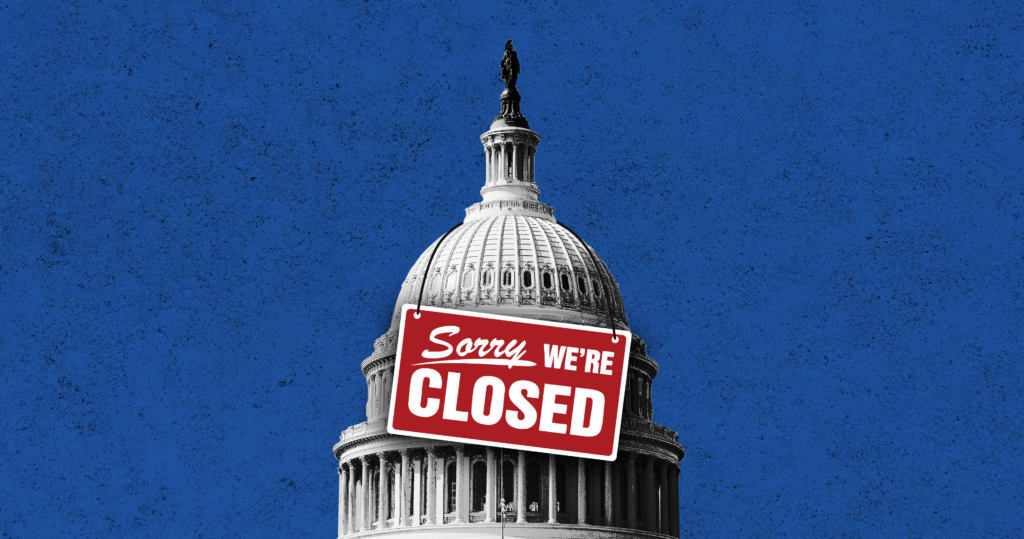
Understanding the Federal Government Shutdown The federal government shutdown remains a critical issue that affects millions of Americans and the economy. A government shutdown occurs when Congress fails to pass the necessary appropriation bills or a continuing resolution to fund government operations. The implications of such shutdowns can be extensive, influencing everything from federal employee
Understanding the Federal Government Shutdown
The federal government shutdown remains a critical issue that affects millions of Americans and the economy. A government shutdown occurs when Congress fails to pass the necessary appropriation bills or a continuing resolution to fund government operations. The implications of such shutdowns can be extensive, influencing everything from federal employee pay to public services.
Current Situation and Forecast for 2026
As we look toward 2026, concerns regarding a potential government shutdown are growing amid an increasingly polarized political environment. Based on fiscal reports and analyses, there is substantial debate surrounding funding allocations, which could lead to gridlock in Congress. The anticipation of a shutdown highlights the urgent need for bipartisan cooperation to reach budgetary commitments.
Key Triggers for Shutdown
Several factors could lead to a government shutdown in 2026. Firstly, political divisions among party lines are a significant obstacle, particularly regarding funding for programs such as healthcare and education. Secondly, the approaching midterm elections may heighten partisan tensions, as lawmakers may use shutdown threats as leverage to advance their agendas.
Impacts on the Public and Economy
The consequences of a federal government shutdown are profound. Past shutdowns have resulted in furloughed workers, disrupted services, and delays in government funding for various programs. According to the Office of Management and Budget (OMB), a shutdown in 2019 cost the U.S. economy $11 billion, a stark reminder of the economic ramifications. If a shutdown does occur in 2026, the already strained financial recovery post-pandemic could face additional challenges, including increased uncertainty in the markets and decreased consumer confidence.
Public Services Affected
Federal services, especially those involving health and safety regulations, often see significant delays. Organizations such as the Federal Aviation Administration (FAA) and the Centers for Disease Control and Prevention (CDC) may struggle to maintain operations, affecting travelers and healthcare services nationwide.
Conclusion: Preparing for Uncertainty
As we prepare for the unpredictability surrounding the federal government shutdown in 2026, citizens and businesses alike are encouraged to stay informed and engaged. Active participation in the democratic process and advocating for constructive dialogue among lawmakers can play a pivotal role in averting a shutdown. The implications of such an event are considerable, and understanding the risks involved will be crucial for navigating the potential impact on daily life and the economy in the coming years.