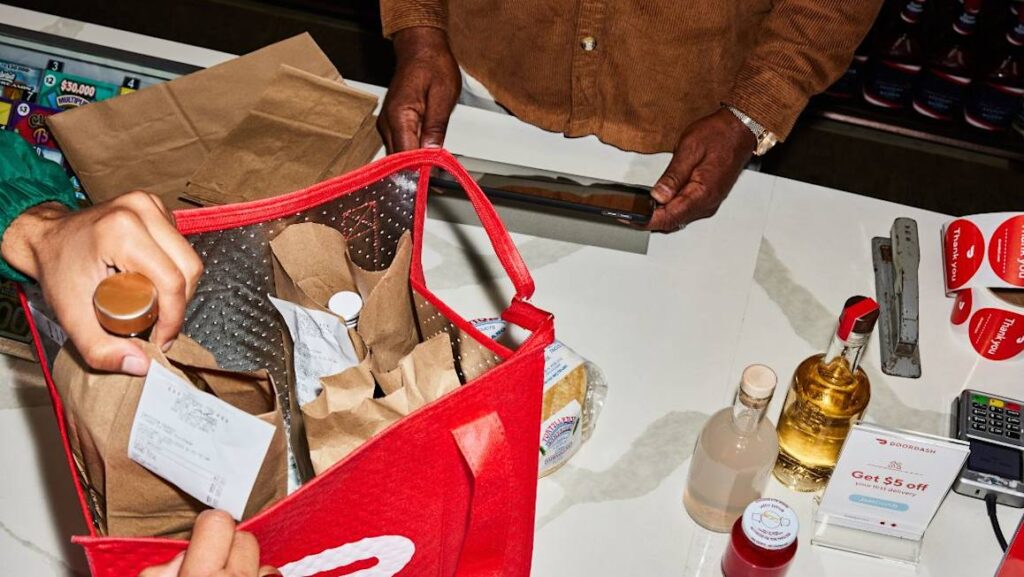
Introduction DoorDash, an online food delivery service, has transformed the way consumers access meals, and its impact is profound in today’s fast-paced world. Established in June 2013, the company has revolutionized many aspects of the food delivery ecosystem, making it increasingly vital to local economies and restaurant operations. As more customers shift towards digital ordering
Introduction
DoorDash, an online food delivery service, has transformed the way consumers access meals, and its impact is profound in today’s fast-paced world. Established in June 2013, the company has revolutionized many aspects of the food delivery ecosystem, making it increasingly vital to local economies and restaurant operations. As more customers shift towards digital ordering due to convenience, especially accelerated by the COVID-19 pandemic, DoorDash has become a significant player worth discussing.
Expansion and Growth
In the past few years, DoorDash has expanded its services beyond food delivery to include the delivery of groceries and convenience store items, enabling users to access a broader range of products. As of 2023, DoorDash commands about 56% of the U.S. food delivery market, significantly outpacing its competitors like Uber Eats and Grubhub. During the pandemic, its user base skyrocketed, jumping from around 1 million active users in early 2020 to over 30 million by the end of that year.
Impact on Small Businesses
DoorDash has played a crucial role in the survival of many small restaurants, particularly during the lockdowns attributed to COVID-19. By providing a platform for restaurants without delivery services, DoorDash has allowed these establishments to reach new customers without incurring high operational costs. The company has also implemented initiatives such as the “DashPass” membership, helping users save money while offering restaurants a more predictable revenue model.
Challenges and Criticisms
Despite its success, DoorDash has faced criticism over issues related to service fees and treatment of delivery workers. Many small restaurant owners express concerns about the high commission fees, which can be anywhere from 15% to 30%, potentially squeezing their profit margins. Additionally, gig economy critics have raised questions about the pay and working conditions for delivery drivers, leading to calls for better regulations and fairer wages.
Conclusion
DoorDash continues to expand its influence in the food delivery sector, shaping consumer behavior and business dynamics in the process. As the company invests in technology to improve user experience and explores new delivery verticals, it will likely maintain its stronghold on the market. For consumers, DoorDash provides convenience and variety; however, stakeholders involved must advocate for fair practices to ensure a balanced ecosystem. Looking forward, the evolution of food delivery services will rely on innovation and the ability to adapt to an ever-changing landscape.