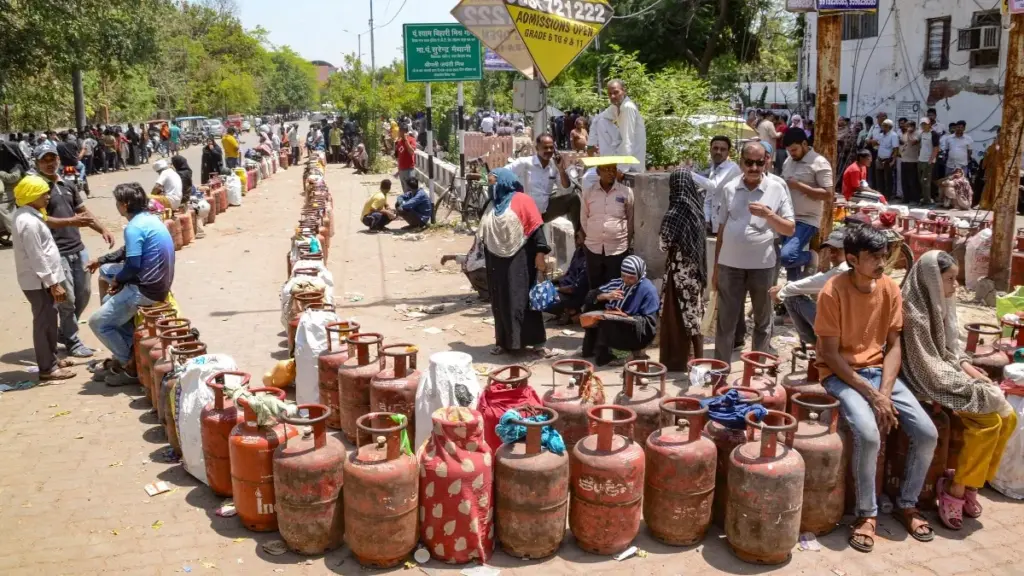
The Indian government is tightening LPG booking rules and encouraging households to transition to piped natural gas. This comes as global energy prices rise.
The West Asia conflict that erupted in late February has impacted global energy markets, affecting gas cylinder prices in India. As a result, the price of a 14.2Kg domestic LPG cylinder has increased by Rs 60 across the country. This price hike comes at a time when commercial cylinder prices have also surged, with the 19Kg commercial cylinder experiencing three increases within April alone, totaling Rs 196.
In response to these rising costs, the Indian government is enforcing stricter LPG booking rules. The interval between bookings has now been increased from 21 to 25 days for urban areas and up to 45 days for those in rural regions. Why implement such changes? The government aims to regulate consumption more effectively amid fluctuating global energy prices.
But there’s more — households with piped natural gas (PNG) connections are now prohibited from surrendering their domestic LPG connections. If a household does not switch to PNG despite its availability, LPG supply will cease after three months. This policy reflects a significant push towards promoting cleaner energy sources.
Additionally, an OTP-based delivery authentication system is expected to become permanent for LPG deliveries. This move aims to enhance security and streamline the delivery process for consumers. Meanwhile, Aadhaar-based biometric authentication remains mandatory for beneficiaries of the Pradhan Mantri Ujjwala Yojana who have not completed it.
As of March 2026, approximately 5.45 lakh PNG connections have already been established — a clear indicator of the government’s commitment to expanding this infrastructure further. Plans are underway for an additional 2.62 lakh PNG connections in the near future.
So what’s next? Further revisions in LPG prices are anticipated starting May 1, 2026. Observers are closely monitoring these developments, as they could significantly impact household budgets across India.
The shift towards piped natural gas represents not just a response to current market conditions but also a long-term strategy aimed at reducing reliance on traditional gas cylinders. This transition could redefine how millions of households cook and consume energy in the coming years.