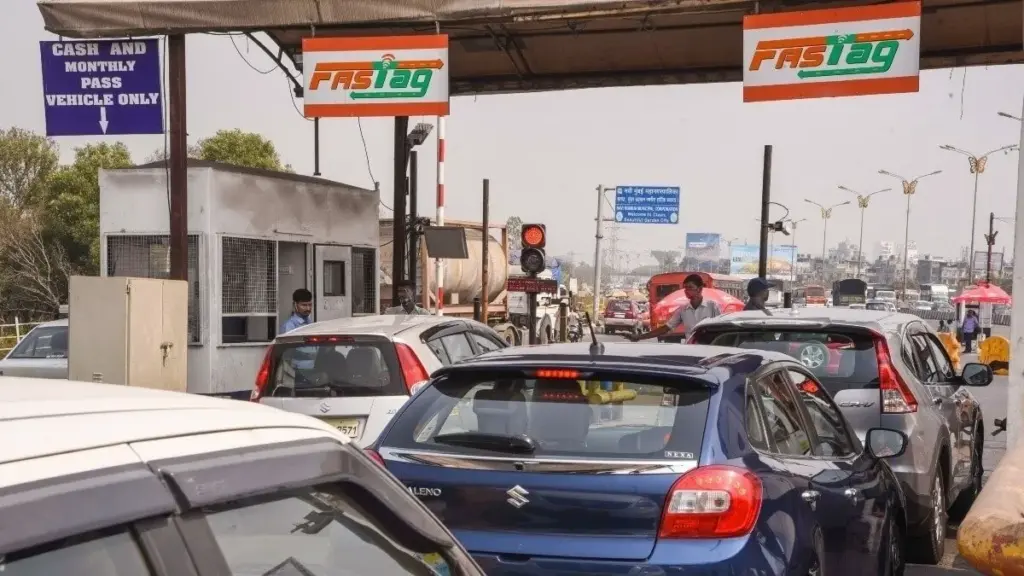
The introduction of a barrier-less tolling system in India signifies a major shift towards automated travel on national highways, driven by FASTag technology.
The introduction of a barrier-less tolling system in India marks a significant shift towards automated and seamless travel on national highways. Scheduled for implementation on December 1, 2026, this innovative system will debut at the Chorayasi Toll Plaza on the Surat–Bharuch section of NH-48 in Gujarat.
This new approach eliminates the need for vehicles to stop at toll plazas, streamlining travel and reducing congestion. With the integration of AI technology, cameras and sensors will scan vehicle number plates and FASTags, allowing for automatic toll payments directly from linked bank accounts or digital wallets.
That context matters because it addresses long-standing frustrations with traditional toll collection methods. Currently, drivers must halt their vehicles, often leading to lengthy queues. As Union Minister Nitin Gadkari stated, “Now you will not have to stand in long queues at toll plazas or stop your vehicle.” This change aims to enhance the overall driving experience.
Key features of the new system include:
- The phasing out of cash payments at toll plazas, making FASTag or UPI mandatory for all transactions.
- Automatic deductions from user accounts upon passage through tolls, ensuring hassle-free travel.
- Penalties for vehicles without valid FASTags or insufficient balance, promoting compliance with the new regulations.
Moreover, QR codes will be available for UPI payments if there are issues with FASTag functionality. Drivers must ensure their FASTag is active and properly linked to their bank account to avoid penalties.
The government envisions a future where highways are entirely cashless, significantly reducing human intervention in toll collection processes. This shift not only modernizes infrastructure but also aligns with broader trends toward digital payments across various sectors.
However, there are uncertainties regarding public adaptation to these changes. Will all drivers comply with the new requirements? Officials have not released specific data on anticipated compliance rates or how enforcement will be managed for repeated violations.
The next few years will be critical as India transitions into this new era of cashless highways. The implementation date looms closer, promising a transformative impact on how motorists navigate the nation’s roadways.