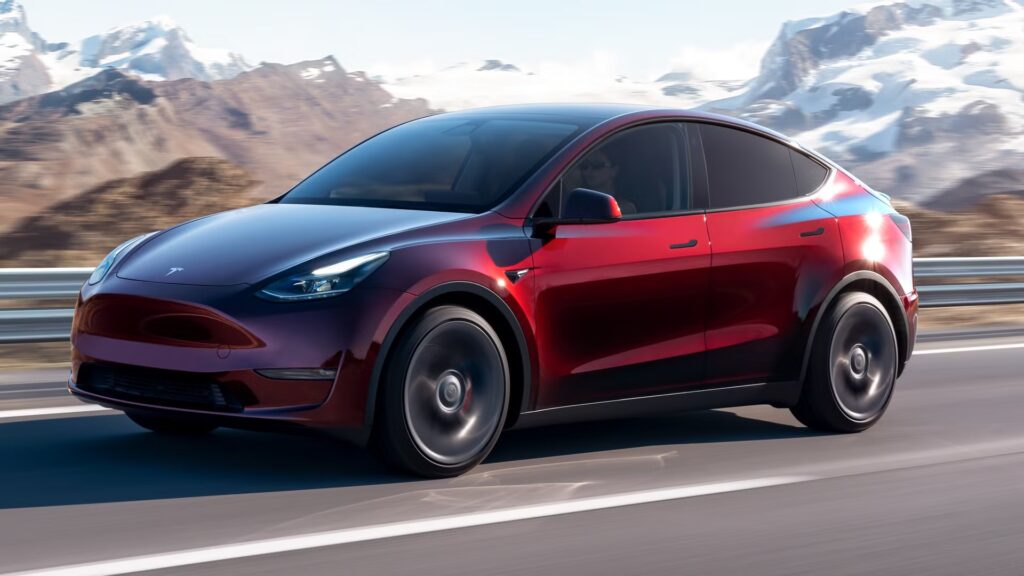
Introduction The Tesla Model Y has rapidly become a significant player in the electric vehicle (EV) market since its launch in 2020. As a compact all-electric SUV, the Model Y not only attracts environmentally conscious consumers but also caters to a growing demand for electric vehicles among families and tech enthusiasts alike. Its relevance is
Introduction
The Tesla Model Y has rapidly become a significant player in the electric vehicle (EV) market since its launch in 2020. As a compact all-electric SUV, the Model Y not only attracts environmentally conscious consumers but also caters to a growing demand for electric vehicles among families and tech enthusiasts alike. Its relevance is underscored by increasingly stringent environmental regulations and the ongoing global shift toward sustainable transportation.
Key Features and Innovations
The Model Y shares approximately 75% of its parts with the highly acclaimed Model 3, making it an accessible option for those familiar with Tesla’s technology. With an impressive range varying from 244 to 330 miles depending on the variant, the Model Y boasts efficient performance capabilities. Furthermore, it offers advanced features such as Autopilot and Full Self-Driving capabilities, the latter being a preview of an autonomous future.
Its spacious interior, able to accommodate up to seven passengers with the optional third-row seating, makes it versatile for families, while the minimalist cockpit equipped with a central touchscreen enhances user experience. Safety features ranked highly by the National Highway Traffic Safety Administration (NHTSA) further solidify its standing.
Market Trends and Sales Growth
In recent months, the Tesla Model Y’s sales have surged, solidifying its position as one of the best-selling electric vehicles in numerous global markets. According to a report from EV Sales, the Model Y was the best-selling electric car in Europe in the first half of 2023, demonstrating a remarkable demand increase.
Factors contributing to this sales growth include Tesla’s extensive charging infrastructure, the continued popularity of electric vehicles, and recent price adjustments that position the Model Y as a more affordable option. Analysts from McKinsey predict that by 2025, electric vehicle sales, including the Model Y, may account for nearly 30% of the total automotive market in the United States, a promising forecast for EV players.
Conclusion
The Tesla Model Y continues to represent the future of the automotive industry, merging luxury, efficiency, and sustainability into a single package. With ongoing innovations and increasing consumer interest in electric vehicles, it could become a dominant force not just in the SUV segment but in the entire automotive market. As manufacturers pivot towards electrification, the success of the Model Y underscores the potential for electric models to reshape consumer preferences in the years to come.