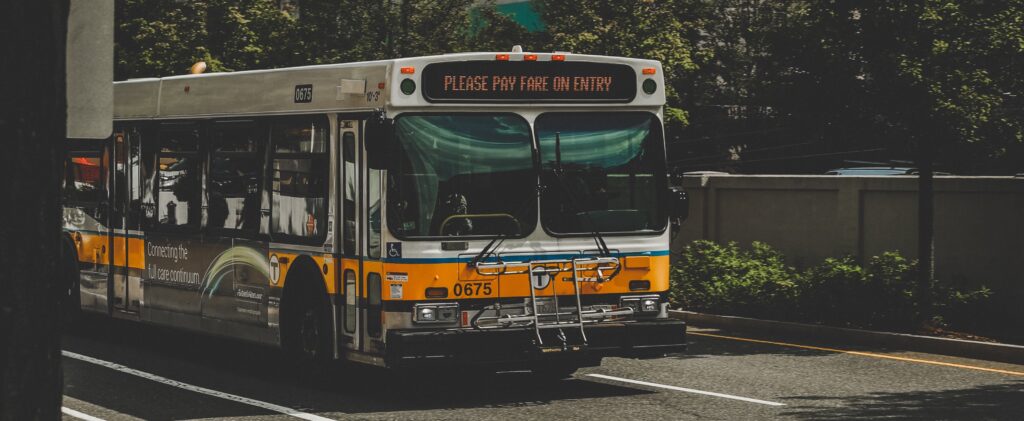
Introduction The Massachusetts Bay Transportation Authority (MBTA), widely known as the T, plays a critical role in the daily lives of millions of residents and visitors in the Greater Boston area. It provides essential public transportation services including subway, bus, commuter rail, and ferry systems. Understanding the current state and future developments of the MBTA
Introduction
The Massachusetts Bay Transportation Authority (MBTA), widely known as the T, plays a critical role in the daily lives of millions of residents and visitors in the Greater Boston area. It provides essential public transportation services including subway, bus, commuter rail, and ferry systems. Understanding the current state and future developments of the MBTA is vital not just for the local economy, but also for addressing the larger issues of sustainability and urban mobility.
Current Developments and Challenges
In recent months, the MBTA has faced significant challenges, particularly in response to operational disruptions. The agency experienced delays and service interruptions, which were exacerbated during the busy summer and fall seasons. To tackle these issues, MBTA officials announced a series of initiatives aimed at improving reliability and enhancing the overall rider experience. Notably, recent budget allocations have emphasized maintenance and upgrades of aging infrastructure, especially in subway stations and rail lines.
Furthermore, the MBTA is in the early stages of implementing a multi-million dollar modernization project that includes the installation of new fare collection technologies and enhancements to real-time service notifications. These upgrades are expected to come to fruition over the next few years, significantly improving user experience and operational efficiency.
Future Plans and Community Impact
Looking ahead, the MBTA is focusing on increasing ridership while incorporating more sustainable practices in its services. Plans for expanding bus rapid transit and enhancing service in underrepresented neighborhoods are priorities that are receiving attention from local officials and community advocates. In addition, the introduction of more eco-friendly vehicles is on the agenda as part of Massachusetts’s goals to reduce carbon emissions.
The relevance of the MBTA extends beyond its immediate service area; it impacts traffic congestion, the local economy, and environmental sustainability across Massachusetts. A well-functioning public transit system can help reduce reliance on personal vehicles, thereby minimizing greenhouse gas emissions and promoting cleaner air.
Conclusion
In conclusion, the MBTA remains a cornerstone of transportation for the Greater Boston area. As it embarks on a journey to revamp its services and infrastructure, the MBTA’s efforts will not only enhance the commuting experience but are also pivotal in fostering sustainable urban development. Riders and stakeholders are encouraged to stay informed about changes and participate in upcoming public forums as the T continues to evolve in a rapidly changing environment.