Introduction Dortmund, the largest city in North Rhine-Westphalia, Germany, is often recognized for its rich industrial history and vibrant cultural scene. With a population of over 600,000, Dortmund is not only a key economic center but also a place of historical significance and innovation. Understanding Dortmund’s importance is essential for those interested in European culture
Introduction
Dortmund, the largest city in North Rhine-Westphalia, Germany, is often recognized for its rich industrial history and vibrant cultural scene. With a population of over 600,000, Dortmund is not only a key economic center but also a place of historical significance and innovation. Understanding Dortmund’s importance is essential for those interested in European culture and industrial development.
Dortmund’s Industrial Heritage
Historically, Dortmund was a significant coal and steel production hub during the 19th and early 20th centuries. The city was a vital part of the Ruhr Area’s industrial boom, contributing to Germany’s place as a leading industrial nation. Although deindustrialization in the late 20th century challenged its economy, Dortmund has successfully transitioned from industry to a technology and service-oriented economy, focusing on information technology and biotechnology.
Cultural Significance
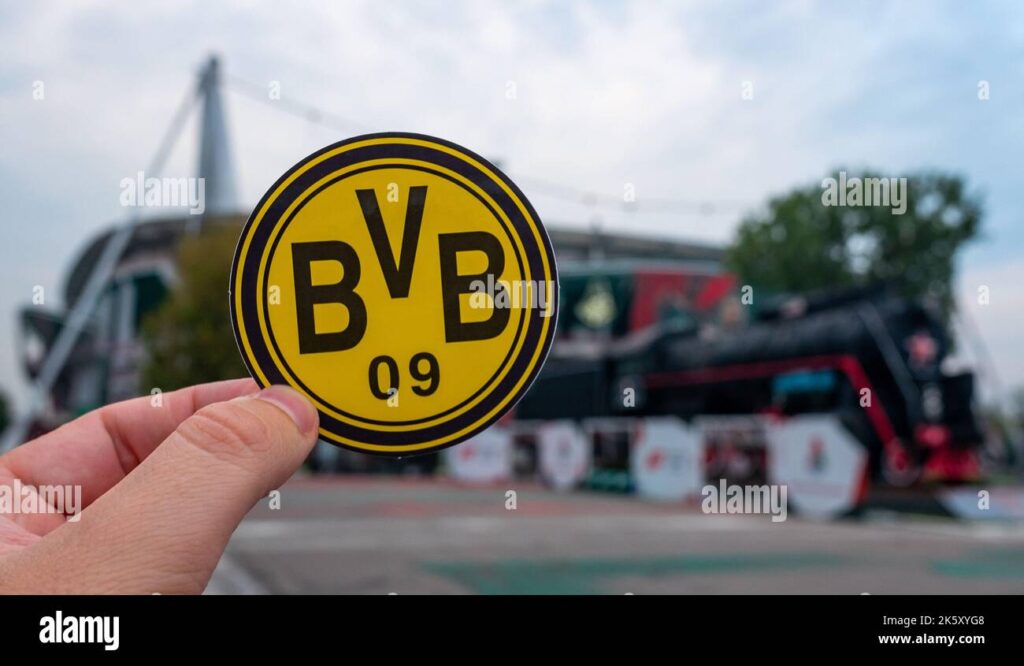
Dortmund is also known for its cultural institutions. The city boasts several museums, including the Museum of Art and Cultural History and the German Football Museum, celebrating both its artistic heritage and its passion for football. The Signal Iduna Park, home to the famed Borussia Dortmund football club, is one of the largest stadiums in Europe and symbolizes the city’s deep-rooted football culture. Each year, thousands come to witness thrilling matches, making it a pivotal gathering place for not just sports fans but also tourists.
Recent Developments
In recent years, Dortmund has embraced initiatives promoting sustainability and innovation. The city’s commitment to green energy is evident in its various projects aimed at reducing carbon emissions and increasing the use of renewable energy sources. The Dortmund University of Applied Sciences and Arts plays a crucial role in the city’s transformation into a technological hub, fostering research and collaboration with international firms.
Conclusion
Dortmund’s journey from an industrial titan to a modern, innovative city highlights its resilience and adaptability. As the city continues to grow and evolve by embracing new technologies and cultural initiatives, it remains a significant player in both the German economy and the European landscape. For visitors and residents alike, Dortmund offers a unique blend of history, culture, and forward-thinking, making it a city worth exploring and investing in.