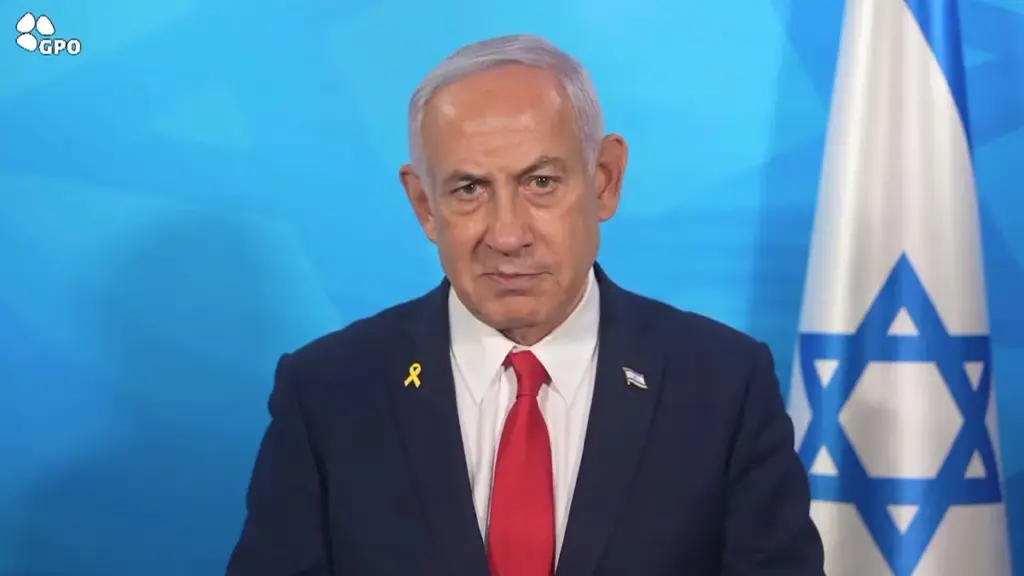
Introduction The political landscape in Israel has been heavily shaped by Benjamin Netanyahu, who has become a dominant figure in Israeli politics over the past decades. As Israel’s longest-serving Prime Minister, Netanyahu’s leadership and policies have not only influenced domestic affairs but have also had significant implications for international relations, particularly in the Middle East.
Introduction
The political landscape in Israel has been heavily shaped by Benjamin Netanyahu, who has become a dominant figure in Israeli politics over the past decades. As Israel’s longest-serving Prime Minister, Netanyahu’s leadership and policies have not only influenced domestic affairs but have also had significant implications for international relations, particularly in the Middle East. His recent return to power after the November 2022 elections has stirred conversation about his governance style and its impact on Israeli society and politics.
Key Developments
Following the 2022 elections, Netanyahu formed a coalition government with right-wing parties, significantly shifting the political balance in Israel. His government is characterized by a strong emphasis on security measures and a tough stance against Iran, which Netanyahu views as a primary threat to regional stability. In his recent speeches, he has reiterated his commitment to increasing military capabilities and fostering alliances with countries like the United States, while also exploring normalization agreements with other Arab states.
However, Netanyahu’s administration has faced criticism regarding its policies on the Palestinian territories and the internal divisions within Israeli society. Protests have erupted in response to his government’s legal reforms aimed at weakening the judiciary, which critics claim undermine democratic institutions. The controversial reforms have raised concerns among various civil rights activists and international observers who warn that democracy in Israel is under threat.
Impact on Israeli Society
Netanyahu’s tenure has also highlighted the growing divides among Israeli citizens. With the rise of far-right elements within his coalition, there have been increasing tensions related to social issues and the treatment of minority groups. Public opinion polls show a significant portion of the Israeli populace divided over Netanyahu’s policies, particularly regarding their implications for peace and coexistence with Palestinians.
Conclusion
As Netanyahu continues to lead Israel, his policies and governance approach will remain crucial for shaping both the immediate future of the country and its long-term trajectory. Experts predict that the coalition’s actions—especially concerning the judiciary, security, and relations with Palestinians—could set the tone for civil society’s health and the overall stability of the region. Netanyahu’s government may redefine the parameters of Israeli democracy and its foreign policy, posing significant questions for both proponents and detractors of his leadership.