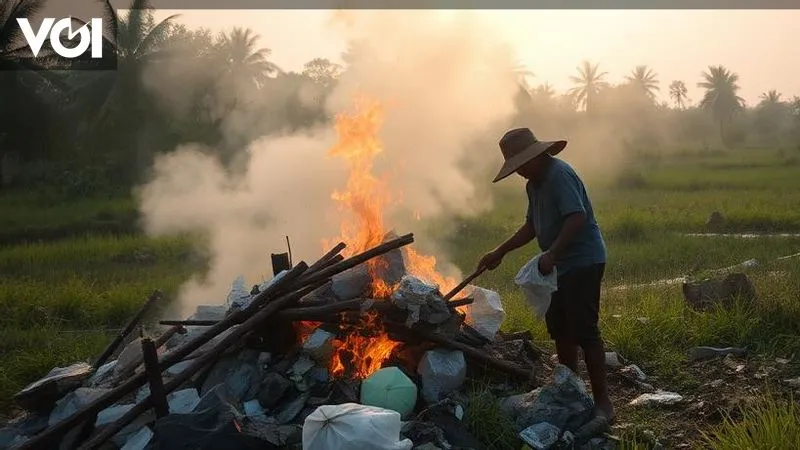
The DKI Jakarta BPBD has issued urgent warnings about fire risks due to the strengthening El Niño phenomenon, urging residents to stop burning garbage.
The DKI Jakarta BPBD’s urgent call to residents to stop burning garbage highlights the increasing fire risk due to the strengthening El Niño phenomenon. This climate event can lead to extreme weather conditions, including long droughts and high temperatures, which exacerbate fire hazards.
Previously, Jakarta faced its usual environmental challenges, but the situation has shifted dramatically. The strengthening of El Niño has created an atmosphere ripe for drought, raising alarm among officials. In fact, the BPBD noted that open burning of garbage can lead to rapid fire spread, especially in densely populated and dry areas.
What does this mean for residents? The direct effects are significant. With increased temperatures and prolonged dry spells, the risk of fires escalates. Residents are now advised to report potential emergencies through Jakarta’s emergency service, emphasizing community vigilance.
That context matters because preparation is essential in mitigating risks from extreme climate events. The BPBD has taken proactive measures by coordinating with BMKG for early warning information and ensuring firefighting readiness. They have prepared firefighting measures and monitored fire-prone areas to prevent disasters before they escalate.
Marulituwa Sijabat from the BPBD stated, “We urge people to be vigilant about open fires and the use of electrical equipment and fire.” This statement encapsulates the urgency of the situation as Jakarta braces for potentially severe consequences linked to El Niño.
Additionally, monitoring is ongoing in areas identified as high-risk due to their density and dryness. Fire hydrants and firefighting fleets are on standby for quick response should a fire break out. The community must remain alert and engaged in emergency preparedness efforts.
This situation underscores a critical point: environmental awareness is vital. As climate events like El Niño intensify, so too must our collective response strategies. Being prepared can make all the difference in safeguarding lives and property during these challenging times.