Introduction Sochan, also known as Rudbeckia laciniata, is a wild edible green that has been gaining attention as a superfood in recent months. As interest in plant-based diets continues to rise, sochan offers not only unique culinary applications but also significant health benefits. Growing primarily in the eastern United States, this plant is rich in
Introduction
Sochan, also known as Rudbeckia laciniata, is a wild edible green that has been gaining attention as a superfood in recent months. As interest in plant-based diets continues to rise, sochan offers not only unique culinary applications but also significant health benefits. Growing primarily in the eastern United States, this plant is rich in vitamins and minerals, making it a relevant addition to healthy eating discussions.
What is Sochan?
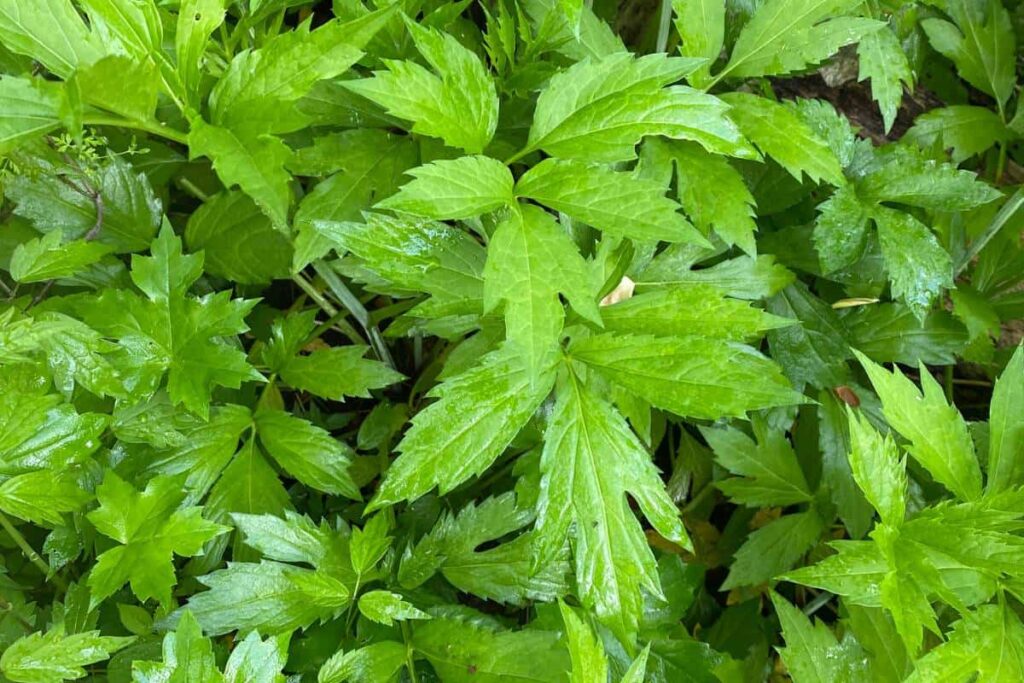
Sochan is a perennial plant that typically grows in moist environments and can be found in wooded areas or along streams. Traditionally, it has been consumed by Native American tribes for its nutritional properties. The leaves, which resemble those of a sunflower, can be harvested in the spring and early summer, offering a fresh, earthy flavor that pairs well with various dishes. As the culinary world explores new ingredients, sochan is being incorporated into salads, soups, and as a substitute for spinach or kale.
Health Benefits of Sochan
This leafy green is not just a culinary delight; it is also packed with health benefits. Sochan is known for its high levels of vitamins A and C, which are essential for maintaining a healthy immune system and promoting good vision. Additionally, it contains antioxidants and anti-inflammatory properties that may aid in reducing the risk of chronic diseases such as heart disease and cancer.
Sochan in Modern Cuisine
The resurgence of interest in traditional and foraged foods has introduced sochan to modern chefs and home cooks alike. It can be used in a variety of cuisines, adding not just nutritional value but also a distinct flavor profile to meals. Food enthusiasts are encouraged to experiment with sochan in dishes such as quiches, pestos, or simply sautéed with garlic and olive oil.
Conclusion
As the trend toward healthier, locally sourced ingredients grows, sochan is poised to become a staple in the diets of health-conscious individuals. Its rich nutritional profile and versatility in cooking make it a valuable addition to any kitchen. For gourmets and health enthusiasts alike, embracing sochan not only supports personal health benefits but also acknowledges the cultural significance of traditional foods. Looking ahead, it is likely that sochan will play an increasingly important role in both health and culinary discussions.