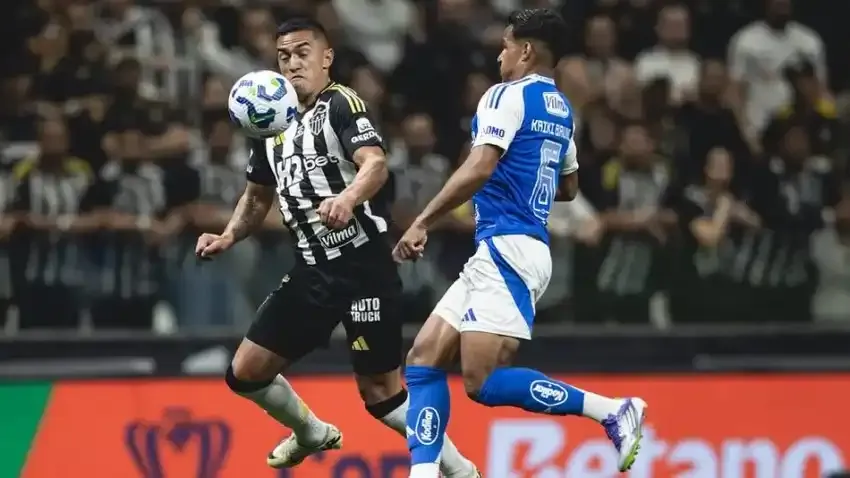
The recent match between Cruzeiro and Atlético Mineiro ended with unprecedented chaos, resulting in a record number of red cards and a narrow victory for Cruzeiro.
What led to the chaos in the cruzeiro vs atlético mineiro match?
The recent encounter between Cruzeiro and Atlético Mineiro on March 9, 2026, raised a significant question: how did a high-stakes Campeonato Mineiro final devolve into chaos? The answer lies in a series of events that culminated in an unprecedented 23 red cards being issued during the match, with Cruzeiro ultimately claiming victory with a score of 1-0.
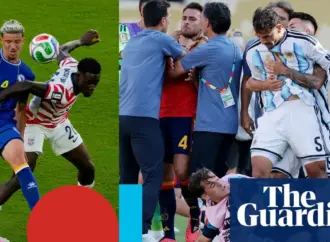
The match, held at Estádio Governador Magalhães Pinto in Belo Horizonte, was marked by intense rivalry and high emotions. The only goal of the match was scored by Kaio Jorge, but the game’s climax was overshadowed by a violent brawl that erupted deep into stoppage time. This incident began when Atlético Mineiro goalkeeper Everson tackled Cruzeiro midfielder Christian, igniting a melee that involved players, substitutes, and coaching staff from both teams.
Record-breaking red cards
In a shocking turn of events, the referee Matheus Delgado Candancan issued a total of 23 red cards—12 to Cruzeiro players and 11 to Atlético Mineiro players—setting a new record for the most red cards in a single game in Brazilian football history. The previous record was 22 red cards. The violence spread across the pitch, turning the final minutes of the contest into complete disorder, as players from both sides engaged in heated confrontations.
Hulk, a prominent player and former Brazil international, expressed his dismay at the violence, stating, “It’s regrettable, I have never seen violence like that in any football game.” His sentiments echoed the disappointment felt by many fans and players alike, as the match ended in confusion rather than celebration.
Aftermath and implications
The aftermath of the match has left many questions unanswered. The incident has sparked discussions about the need for stricter regulations and better control during high-stakes matches to prevent such occurrences in the future. Tite, a well-known figure in Brazilian football, conveyed his respect for Cruzeiro fans, emphasizing the importance of maintaining the integrity of the sport.
Details remain unconfirmed regarding potential disciplinary actions against the players involved in the brawl, as the football community awaits further announcements from the governing bodies. The incident has raised concerns about player safety and the overall atmosphere of rivalry in Brazilian football.
As the dust settles from this chaotic encounter, the focus will shift to the implications for both teams moving forward. Cruzeiro’s victory may bolster their confidence, while Atlético Mineiro will need to address the fallout from this incident and regroup for future matches. The events of this match will undoubtedly be remembered as a significant moment in the history of Brazilian football, highlighting the fine line between rivalry and sportsmanship.