Introduction Corey Lewandowski has emerged as a key figure in American politics, known for his role as a campaign manager for Donald Trump during the 2016 election. His unapologetic approach and close ties to the former president have made him a polarizing character, attracting both admirers and critics. As the political landscape continues to shift,
Introduction
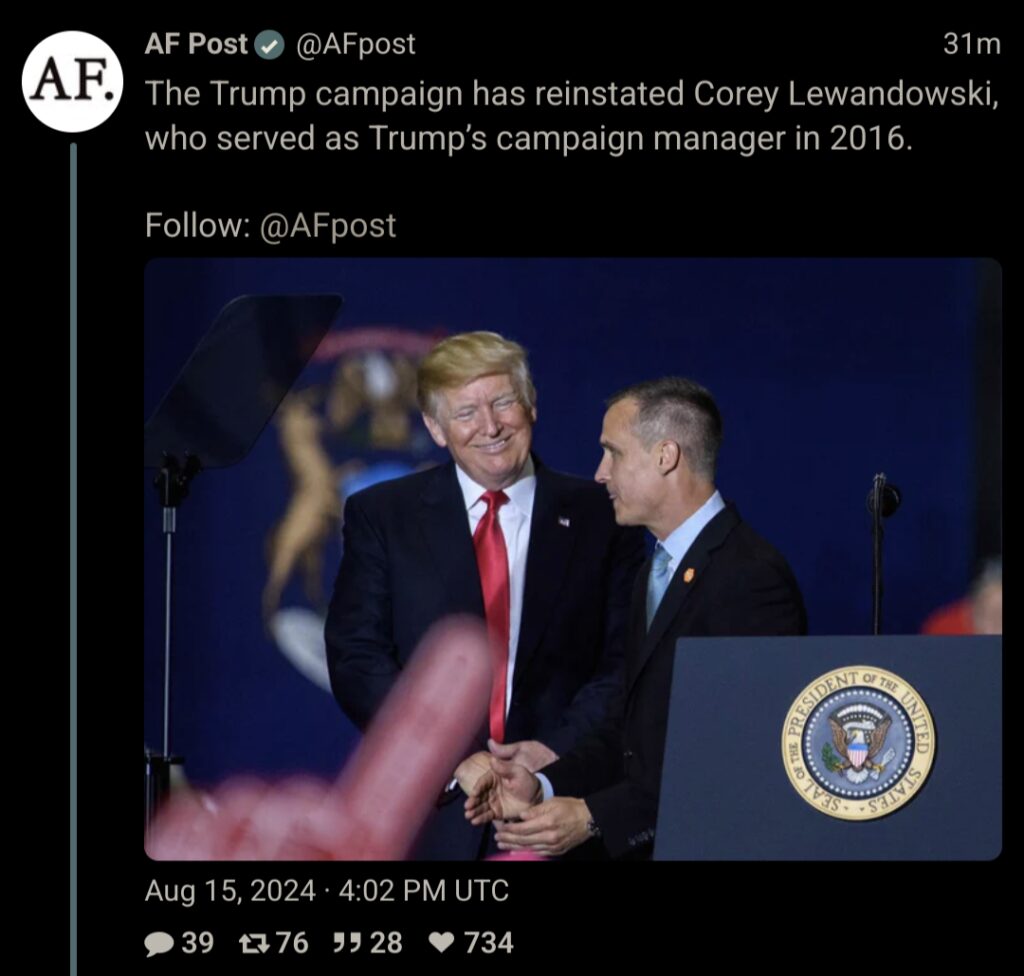
Corey Lewandowski has emerged as a key figure in American politics, known for his role as a campaign manager for Donald Trump during the 2016 election. His unapologetic approach and close ties to the former president have made him a polarizing character, attracting both admirers and critics. As the political landscape continues to shift, understanding Lewandowski’s influence can provide insight into current dynamics within the Republican Party and Trump’s legacy.
The Rise of Corey Lewandowski
Lewandowski was appointed as Donald Trump’s campaign manager in early 2015 and played a crucial role in shaping the campaign’s strategies. Under his leadership, Trump’s unconventional approach to rallies and public appearances challenged traditional norms, captivating audiences and ultimately leading to a stunning victory in the electoral college. However, his tenure was marked by controversies, including allegations of aggressive behavior towards dissenting voices and tactical missteps.
Post-Campaign Activities and Influence
Following the 2016 election, Lewandowski continued to be a prominent figure in political circles. He has frequently appeared as a commentator on various news platforms, offering insights on the Trump administration’s actions and policies. In addition to media appearances, he has navigated the murky waters of Republican primary politics, endorsing candidates who align closely with Trump’s agenda. Lewandowski even explored a run for Senate in New Hampshire during the 2020 election cycle, though he ultimately decided against it.
Controversies Surrounding Lewandowski
Lewandowski’s career has not been without significant controversies. He faced criticism for his connections with lobbyist firms and was involved in multiple scandals that garnered media attention. Notably, his presence in the political realm has been characterized by a blunt, often abrasive style that has led to accusations of fostering a toxic political environment. In various interviews and public speaking events, Lewandowski remains steadfast in his loyalties, promoting the Trump narrative and minimizing criticisms of the former president.
Conclusion
Corey Lewandowski’s role in shaping modern American politics cannot be understated. As a strategist who directly influenced Trump’s rise to power, his actions and ideologies reflect a significant strain of the Republican Party. Looking forward, his ability to galvanize grassroots support and his media presence suggests that he will remain a relevant figure in political discourse. Whether his influence will wane or strengthen as political battles unfold remains a critical question for voters and analysts alike.