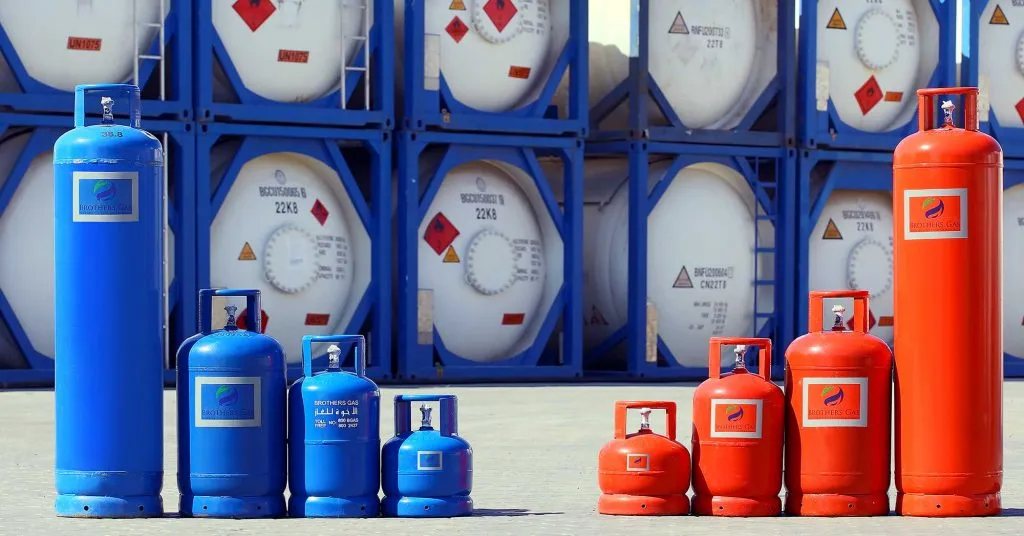
The government has raised commercial LPG gas cylinder prices significantly, reflecting the ongoing global energy crisis. This affects various sectors reliant on LPG.
The government has implemented a record increase in commercial LPG gas cylinder prices as of May 1, 2026, amidst a global energy crisis that has seen oil prices surge sharply. This decision directly impacts businesses across India, particularly hotels and restaurants that rely heavily on these cylinders.
Leading up to this significant change, global crude oil prices began to rise due to supply disruptions linked to ongoing tensions in West Asia. As these tensions escalated, the cost of fuel surged, prompting the government to adjust local pricing structures.
On May 1, the price of commercial LPG cylinders increased dramatically:
- In Delhi, the price jumped from ₹2,078.50 to ₹3,071.50.
- Mumbai saw an increase from ₹2,031 to ₹3,024.
- The average increase across commercial cylinders reached ₹993.
Additionally, the cost of 5 kg market-priced LPG cylinders rose from ₹549 to ₹810.50. This adjustment marks one of the largest hikes in recent history.
Interestingly, while commercial rates have soared, domestic LPG prices remain unchanged. Officials from the Ministry of Petroleum and Natural Gas stated that “Retail pump prices of Petrol, Diesel and domestic LPG have been kept unchanged.” This decision aims to cushion households from the immediate effects of rising fuel costs.
Yet, why would the government choose to maintain domestic rates while increasing commercial ones? The rationale lies in protecting consumers who depend on domestic LPG for cooking and heating while ensuring that businesses can still operate amid rising operational costs.
The implications of this price hike are profound for businesses dependent on LPG. Restaurants and hotels may face increased operational costs, potentially leading to higher menu prices for consumers. As these changes unfold, many will be watching closely how this affects local economies.
Suresh Gopi, Union Minister of State for Petroleum and Natural Gas, remarked on the situation: “Please check other parts of the world on how much prices have risen there. We could withhold to this extent.” This statement underscores a broader perspective on managing fuel prices amid a challenging global landscape.
The immediate future remains uncertain for both consumers and businesses alike as they navigate these changes in pricing structures amidst an ongoing global energy crisis.