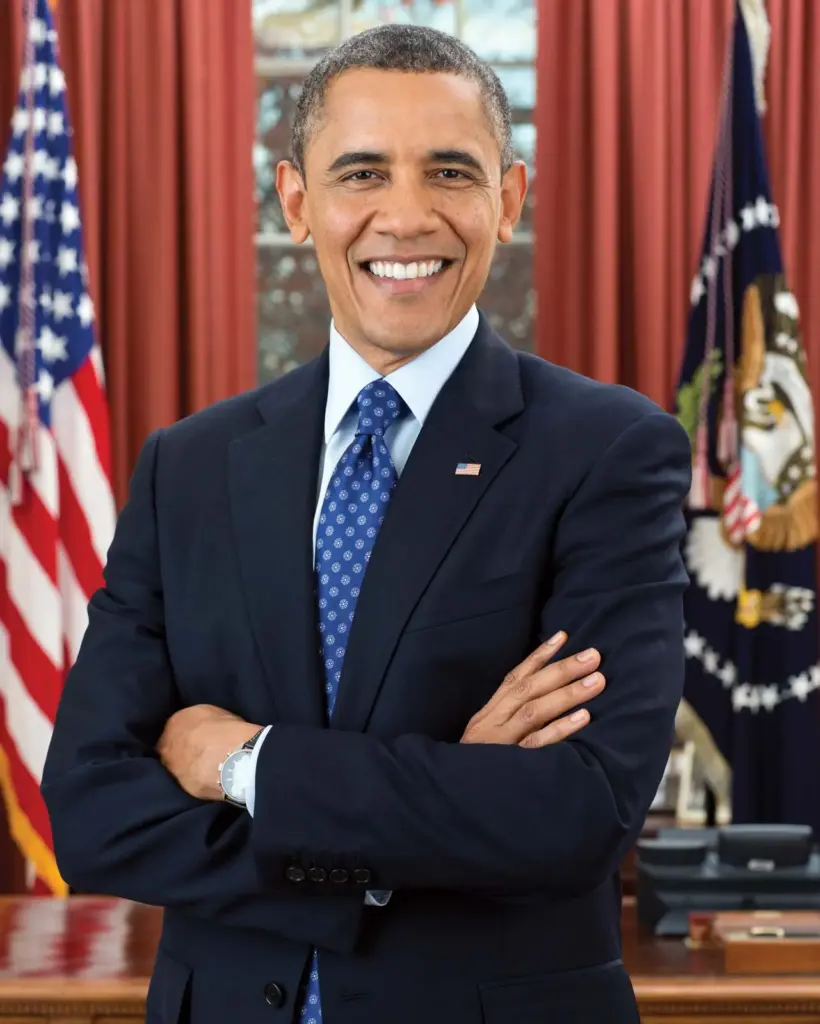
Introduction Barack Obama, the 44th President of the United States, remains a significant figure in both American history and global politics. As the first African-American president, his presidency marked a historic milestone in the United States, influencing countless individuals and communities. His policies and leadership style continue to shape the political landscape, making him a
Introduction
Barack Obama, the 44th President of the United States, remains a significant figure in both American history and global politics. As the first African-American president, his presidency marked a historic milestone in the United States, influencing countless individuals and communities. His policies and leadership style continue to shape the political landscape, making him a relevant topic of discussion in contemporary society.
Key Achievements During His Presidency
Barack Obama’s presidency, which spanned from 2009 to 2017, is noted for several key achievements. The Affordable Care Act (ACA), also known as Obamacare, sought to improve healthcare accessibility for millions of Americans. His administration also focused on economic recovery following the 2008 financial crisis, emphasizing the growth of jobs and the auto industry.
In addition to domestic accomplishments, Obama made significant strides in foreign policy. His administration worked to improve relations with Cuba, negotiated the Iran nuclear deal, and played a pivotal role in the Paris Agreement on climate change, underscoring his commitment to global cooperation in addressing pressing issues.
Current Endeavors and Impact
Although Obama is no longer in office, he remains a prominent voice in contemporary discourse. His post-presidential initiatives, through the Obama Foundation, focus on empowering the next generation of leaders and fostering civic engagement. Additionally, Obama has continued to advocate for social justice and climate action, addressing topics that resonate with many Americans today.
In recent news, Obama has been vocal about the importance of voter engagement and democracy, particularly as the United States approaches the 2024 presidential elections. His insights on the political climate reflect continuous concern over the state of democracy and the need for active participation from citizens.
Conclusion
Barack Obama’s legacy extends beyond his presidency, as he continues to influence political and social movements. As discussions around leadership, equality, and global cooperation persist, Obama’s contributions remain relevant. Looking ahead, his initiatives promise to engage a new generation while reminding all of the vital importance of civic duty and active participation in democracy. For many, Obama represents hope and the belief that change is possible through collective effort.