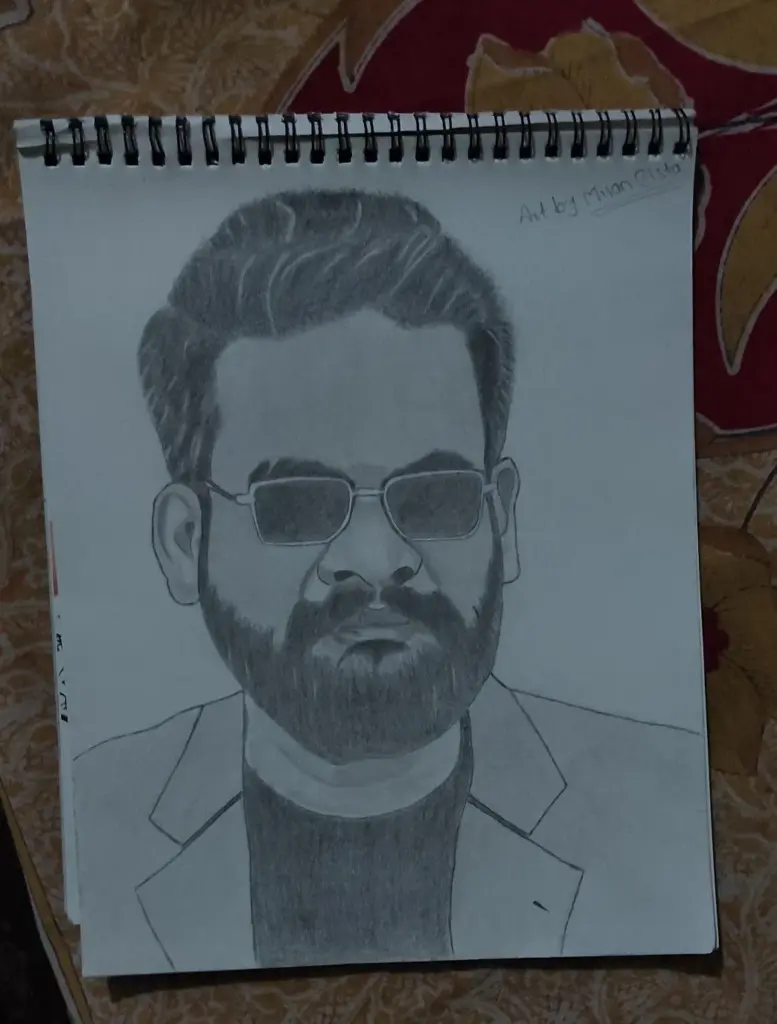
Balen Shah has been sworn in as Nepal’s youngest prime minister, leading the Rastriya Swatantra Party to a historic victory. His rise follows a wave of protests and a Gen Z-led uprising.
Key moments
Balen Shah was sworn in as Nepal’s prime minister on March 27, 2026, marking a significant milestone in the country’s political history. At just 35 years old, Shah has become the youngest prime minister in Nepal, representing a new generation of leadership. His party, the Rastriya Swatantra Party (RSP), achieved a remarkable victory by winning 125 out of 165 first-past-the-post seats in parliament, solidifying his mandate to govern.
The immediate circumstances surrounding Shah’s election are rooted in a recent political upheaval. His rise follows a Gen Z-led uprising that successfully ousted the previous prime minister, KP Sharma Oli, in 2025. This movement was sparked by widespread protests against a social media ban and rampant corruption, which galvanized young voters and led to a significant shift in the political landscape.
Shah’s appointment comes at a time when the Karki Commission has been established to investigate the violence and property damage that occurred during the protests. This commission aims to address the grievances of the populace and restore faith in governance. With the RSP formed only four years prior to Shah’s election, his leadership is seen as a fresh start for many citizens who are eager for change.
In his inaugural address, Shah emphasized the importance of anticorruption measures, pledging to investigate the wealth of senior officials and ensure accountability within the government. His administration is expected to prioritize governance challenges and respond to the expectations of voters who have long been disillusioned by previous administrations.
Reactions to Shah’s election have been overwhelmingly positive, with many political analysts noting the historical significance of his mandate. Bishnu Sapkota remarked, “There is so much excitement with the heavy mandate. This is a historical and unprecedented opportunity for him to execute his agenda because his party is likely to have close to a two-thirds majority.” This sentiment was echoed by Shishir Khanal, who stated, “We were expecting just over a 50 percent majority, but a two-thirds mandate was beyond our expectations.”
However, challenges remain as Shah navigates the complexities of leadership. His relationship with Rabi Lamichhane, the party chairman, will be closely scrutinized as they share power within the RSP. Political analysts like Yujan Rajbhandari have noted that with the RSP’s large majority, parliamentary opposition will be weak, suggesting that public protests may continue to play a significant role in the political discourse.
Internationally, Shah has received congratulations from leaders such as Indian Prime Minister Narendra Modi, indicating a potential for strengthened diplomatic relations. As Shah embarks on his tenure, the next 100 days will be crucial in determining the direction of his administration and the effectiveness of his policies.
As the nation watches closely, the implications of Balen Shah’s leadership will unfold, with many hoping for a transformative era in Nepal’s governance. Details remain unconfirmed regarding the full scope of his plans and the challenges he will face, but the excitement surrounding his election marks a pivotal moment in Nepal’s political history.