Introduction Benjamin Netanyahu, a central figure in Israeli politics, has significantly shaped the nation’s policies, security, and international relations. As the longest-serving Prime Minister in Israeli history, Netanyahu’s leadership has been marked by both controversies and pivotal achievements. Understanding his role is essential for grasping current events and future political landscapes in Israel. Current Political
Introduction
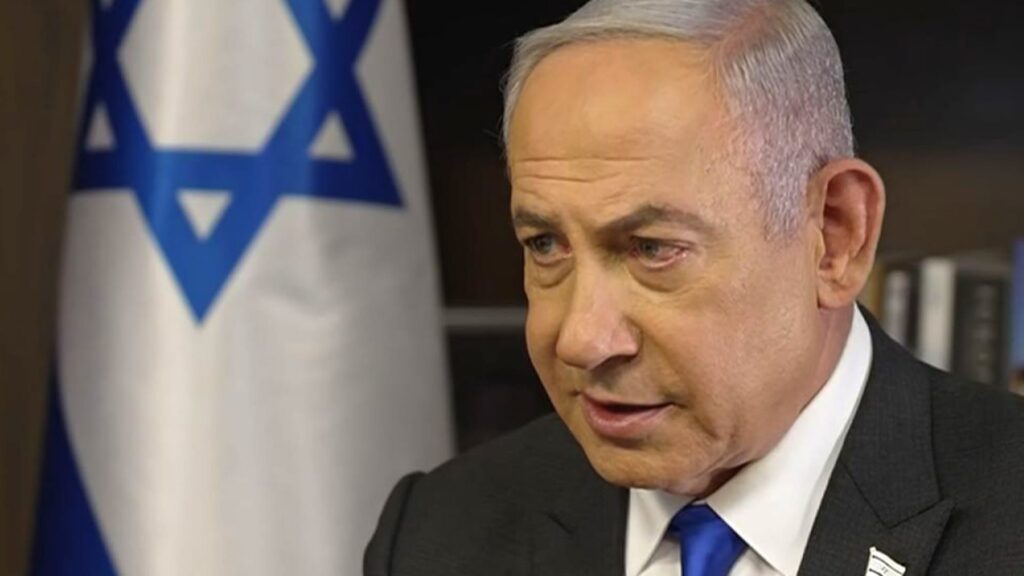
Benjamin Netanyahu, a central figure in Israeli politics, has significantly shaped the nation’s policies, security, and international relations. As the longest-serving Prime Minister in Israeli history, Netanyahu’s leadership has been marked by both controversies and pivotal achievements. Understanding his role is essential for grasping current events and future political landscapes in Israel.
Current Political Landscape
As of October 2023, Netanyahu has returned to power amid a polarized political environment. His latest administration, formed in late 2022, has focused on a mix of security issues and contentious judicial reforms aimed at limiting the power of Israel’s judiciary, sparking widespread protests across the country. Supporters argue that these reforms are necessary to restore the government’s balance, while opponents view them as a threat to democracy.
Key Issues and Policies
Netanyahu’s approach to foreign policy has been characterized by fostering relations with Arab nations, notably through the Abraham Accords, which normalized relations between Israel and several Gulf states. Additionally, his government has prioritized security measures in response to ongoing tensions with Palestinian groups and regional adversaries like Iran. The current geopolitical developments, including increasing hostilities in Gaza and military actions in the West Bank, highlight the complexities facing Netanyahu’s administration.
Domestic Challenges
Internally, Netanyahu faces challenges from a coalition that includes far-right parties, complicating governance. The focus on religious and nationalist policies has raised concerns among secular populations and Arab citizens. Public dissatisfaction with the handling of various domestic issues has also simmered, leading to protests and calls for political reform.
Conclusion
Netanyahu’s tenure continues to evoke strong opinions, both locally and internationally. As he navigates internal dissent and external pressures, his decisions will greatly influence not only the future of his government but also Israel’s place in a turbulent Middle East. Observers speculate that the coming months might see a shift in policies as Netanyahu seeks to consolidate power while addressing the concerns raised by civil society. The outcome of these developments will be pivotal for Israel’s democratic institutions and regional stability.