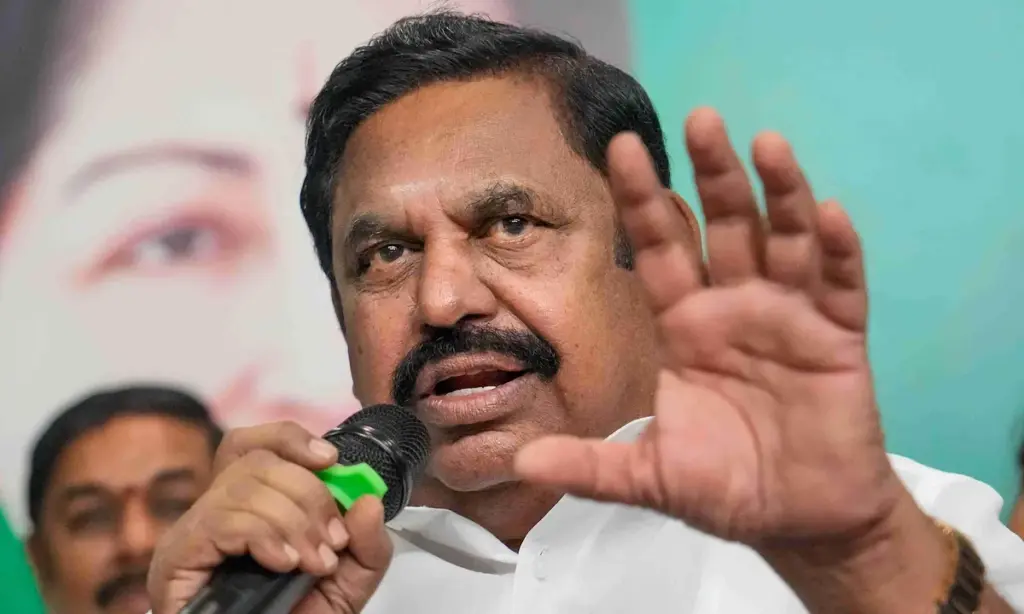
The AIADMK has released its candidate list for the 2026 Tamil Nadu Assembly elections, marking a significant moment in the political landscape.
Who is involved
As the political landscape in Tamil Nadu prepares for the upcoming Assembly elections on April 23, 2026, the AIADMK (All India Anna Dravida Munnetra Kazhagam) has made a decisive move by releasing its first list of candidates. This list, unveiled on March 25, 2026, includes 23 candidates, marking a significant step in the party’s electoral strategy. Historically, the AIADMK has been a dominant force in Tamil Nadu politics, and this early announcement positions it as a frontrunner in the race.
Prior to this announcement, expectations were high regarding the AIADMK’s candidate selection process. Many analysts anticipated a mix of new faces and seasoned politicians, reflecting the party’s need to rejuvenate its image while retaining experienced leadership. However, the initial list revealed that 16 former Ministers have been re-nominated, indicating a preference for continuity over radical change. This decision has sparked discussions among political observers about the party’s strategy and its implications for voter sentiment.
The immediate impact of the candidate list has been notable. Edappadi K Palaniswami, the party’s leader, will contest from the Edappadi constituency in Salem district, a move that underscores his commitment to reclaiming power. Alongside him, K.P. Munusamy will contest from Veppanahalli, and Dindigul C. Sreenivasan from Dindigul. This lineup suggests that the AIADMK is banking on its established leaders to secure victories in key constituencies.
Furthermore, the AIADMK plans to contest a total of 178 seats in the upcoming elections, while its allies in the National Democratic Alliance (NDA) will also field candidates: the BJP will contest 27 seats, PMK will contest 18, and AMMK will contest 11. This collaborative approach aims to consolidate votes against rival parties, particularly the DMK, which has been a formidable opponent in recent elections.
In addition to the candidate list, the AIADMK has unveiled a manifesto containing 297 promises, including notable initiatives such as providing free refrigerators for ration cardholders. This move is seen as an attempt to appeal to the electorate’s needs and enhance the party’s image as a pro-people organization. Palaniswami has expressed confidence in the alliance’s ability to secure at least 210 of Tamil Nadu’s 234 assembly seats, a bold claim that reflects the party’s optimism.
Experts have weighed in on the significance of this candidate list. Some analysts suggest that while the re-nomination of former Ministers may provide stability, it could also alienate younger voters seeking fresh leadership. “There were hardly any surprises in the list,” noted one political commentator, highlighting the cautious approach taken by the AIADMK. The party’s decision to be the first major political entity in Tamil Nadu to release its candidate list, albeit partially, is seen as a strategic move to set the tone for the election season.
As the election date approaches, the political dynamics in Tamil Nadu are expected to evolve. The AIADMK’s early candidate announcement and its comprehensive manifesto could play a crucial role in shaping voter perceptions. However, uncertainties remain about how the electorate will respond to the party’s choices and promises. Details remain unconfirmed regarding the full impact of these developments on the AIADMK’s electoral prospects.