Introduction The world’s tallest buildings stand as icons of human engineering and architectural design. These skyscrapers not only represent the physical height of humanity’s capabilities but also serve as symbols of cultural and economic ambitions of their respective cities. As urbanization continues to rise, understanding the development and significance of these structures becomes increasingly important.
Introduction
The world’s tallest buildings stand as icons of human engineering and architectural design. These skyscrapers not only represent the physical height of humanity’s capabilities but also serve as symbols of cultural and economic ambitions of their respective cities. As urbanization continues to rise, understanding the development and significance of these structures becomes increasingly important.
Current Tallest Buildings
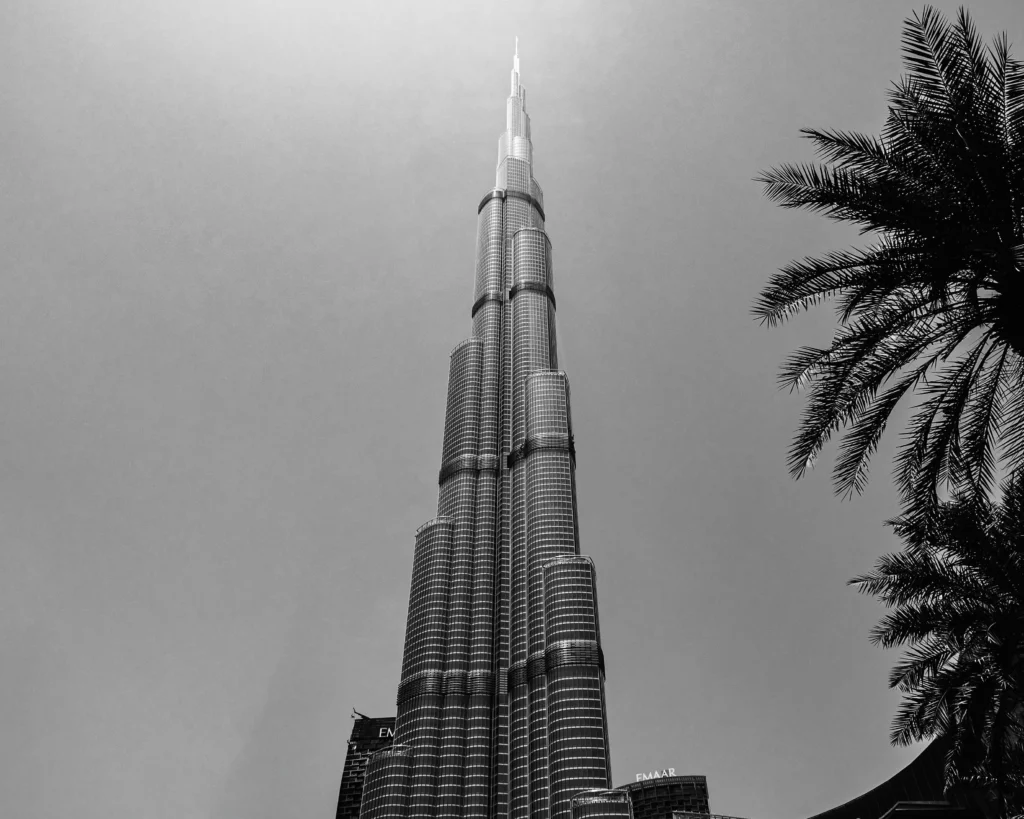
As of 2023, the title of the tallest building in the world belongs to the Burj Khalifa in Dubai, United Arab Emirates, standing at a staggering 828 meters (2,717 feet). Completed in 2010, the Burj Khalifa has redefined the skyline of Dubai, attracting millions of tourists and contributing significantly to the economy. Following the Burj Khalifa, the Shanghai Tower in China ranks second at 632 meters (2,073 feet), showcasing an innovative twist design that contributes to its aerodynamic stability.
Recent Developments and Records
The competition to build taller and more extravagant buildings is fierce. In 2021, the Jeddah Tower in Saudi Arabia began its ascent to become the next tallest building, projected to reach 1,000 meters (3,281 feet) upon completion. Despite construction delays attributed to financial concerns and the pandemic, its potential completion signals a future shift in the heights we consider normal.
Architectural Advancements
With advancements in technology and engineering, the construction of tall buildings is becoming more efficient and sustainable. Architects are increasingly focusing not only on height but also on environmentally friendly designs. The use of wind-resistant materials and energy-efficient building systems is becoming standard practice, as seen in the One World Trade Center in New York City, which incorporates a variety of sustainability features.
Conclusion
The race to construct the world’s tallest buildings continues, reflecting our ongoing pursuit of larger-than-life architectural achievements. As cities around the globe push the limits of height and design, these skyscrapers play a crucial role in urban identity, economic growth, and cultural pride. Moving forward, the importance of sustainability in these structures will likely become a significant focus, shaping the future of urban skylines.